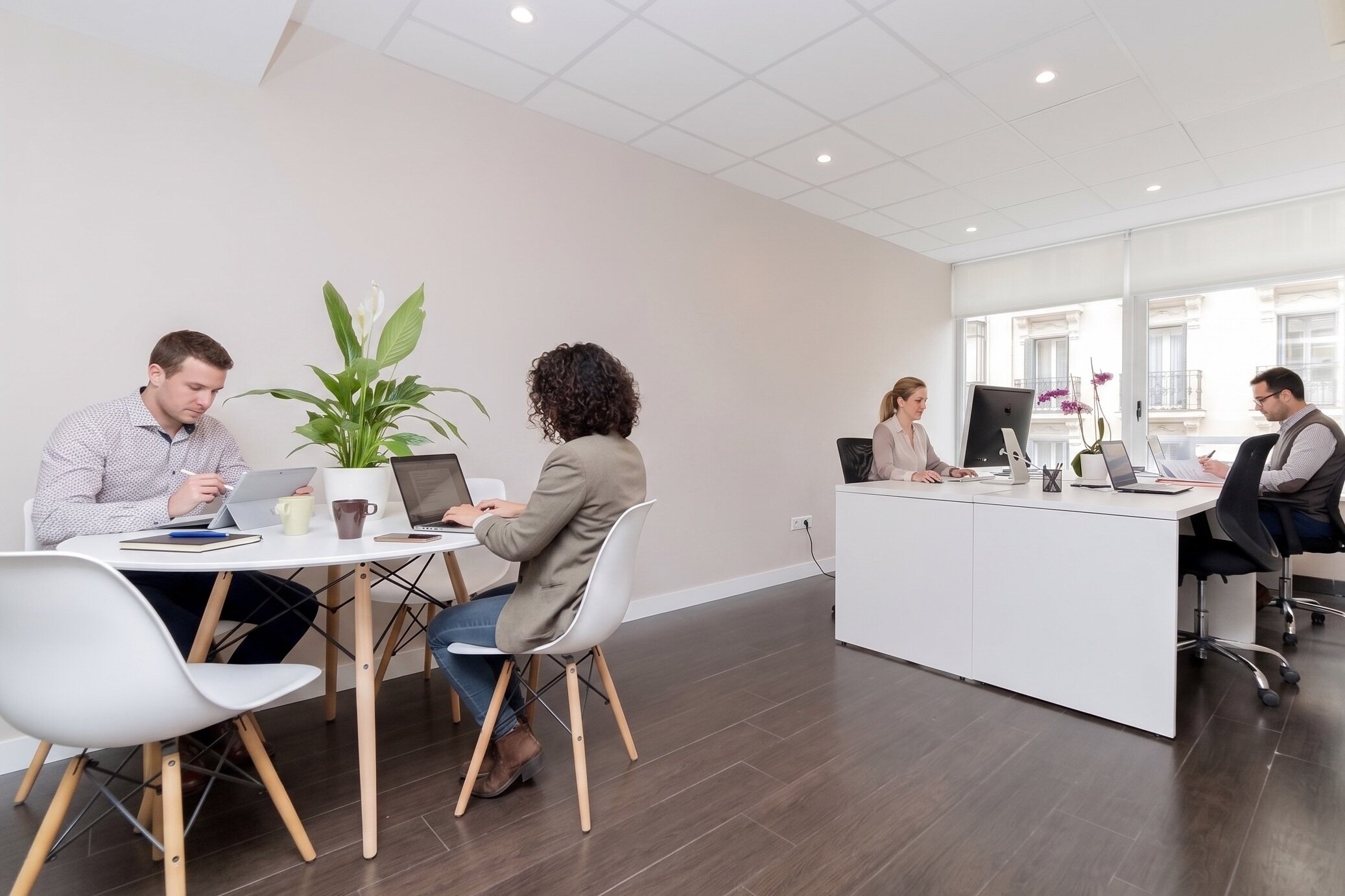
A salesperson in Valencia, management in Madrid, a client in Barcelona, and two collaborators working remotely from wherever they are. If this sounds anything like your company, it's no coincidence, and it's becoming more the norm than the exception.
A few years ago this wasn't a problem, because it practically didn't exist. It was common for everyone to share the same office, and organizing an important meeting consisted of asking if the meeting room was free at eleven, and that was it.
Not anymore. Now the sales team lives in Valencia, the designer works from Lisbon for half the year, and the client they need to convince can only be reached on Thursday mornings. Technology has solved the day-to-day tasks—video calls, shared documents, nonstop chats—but there are times when a screen isn't enough. Closing a major sale, defining a strategy for next year, providing real training: that still requires people to sit down at the same table.
And that's where the real challenge lies: coordinating schedules, finding a venue that works for everyone, and making the train or plane journey worthwhile. That's why more and more companies are looking for meeting rooms in Madrid that allow them to hold these meetings without having to maintain their own office year-round just to use it a few times.
Why continue meeting in person when Zoom already exists?
Hybrid work has changed almost everything, but it hasn't eliminated in-person meetings. And there's a simple reason: some conversations simply work better face-to-face. Negotiating with a client, presenting a project that's truly important to the company, or resolving a mess involving three departments where no one can agree on a solution via Slack.
When you're in the same room as the other person, you read things that are lost on a video call: an awkward silence, a raised eyebrow, the exact moment someone loses their grip. That, though it may seem difficult to measure, changes the outcome of many negotiations.
There's another, less obvious but equally real effect: taking the team out of their routine helps them focus and fosters connections. When you change location, your mind understands that this isn't just any ordinary day. That's why more and more companies are treating in-person meetings not as something that happens "just because," but as a moment that needs to be carefully planned, almost like a small event.
The real challenge: coordinating schedules when no one works in the same place
The first obstacle, almost always, is getting everyone who really needs to be there on the same day. If the meeting includes salespeople, a client, a couple of department heads, and perhaps an external collaborator, things get more complicated.
Before booking anything, it's a good idea to sit down (even if it's just for five minutes) and answer a couple of questions that seem obvious but are almost never asked: What exactly is the purpose of this meeting? Who absolutely has to be there, and who doesn't? How much time is really needed? What should be prepared?
This will make the difference between a three-hour meeting that leads nowhere and a ninety-minute meeting where real decisions are made.
Why do so many companies choose Madrid as a meeting point?
Madrid has become, almost without anyone officially deciding it, the place where everyone meets. It makes sense: it's well-connected to the rest of the country and is a recognizable business center.
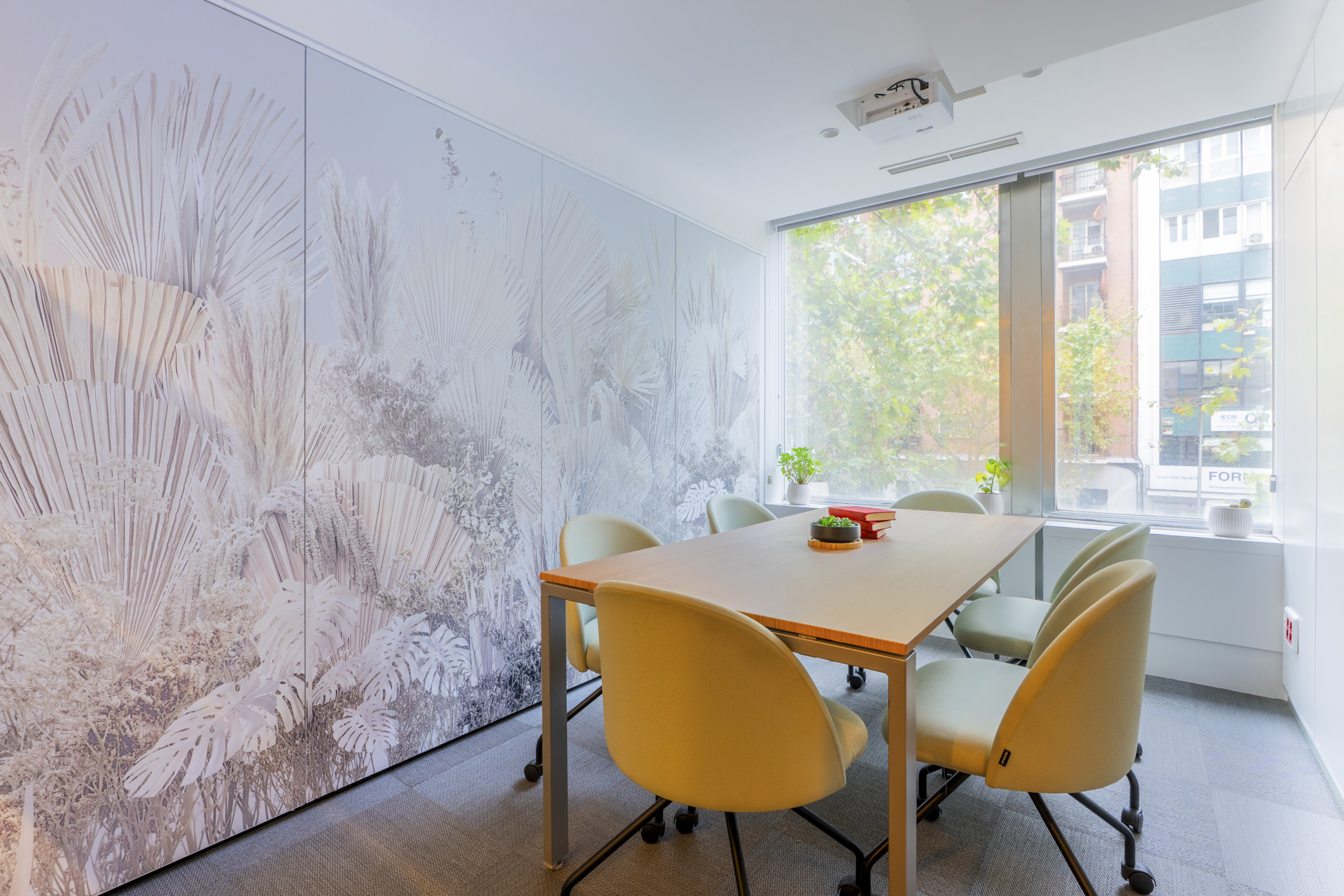
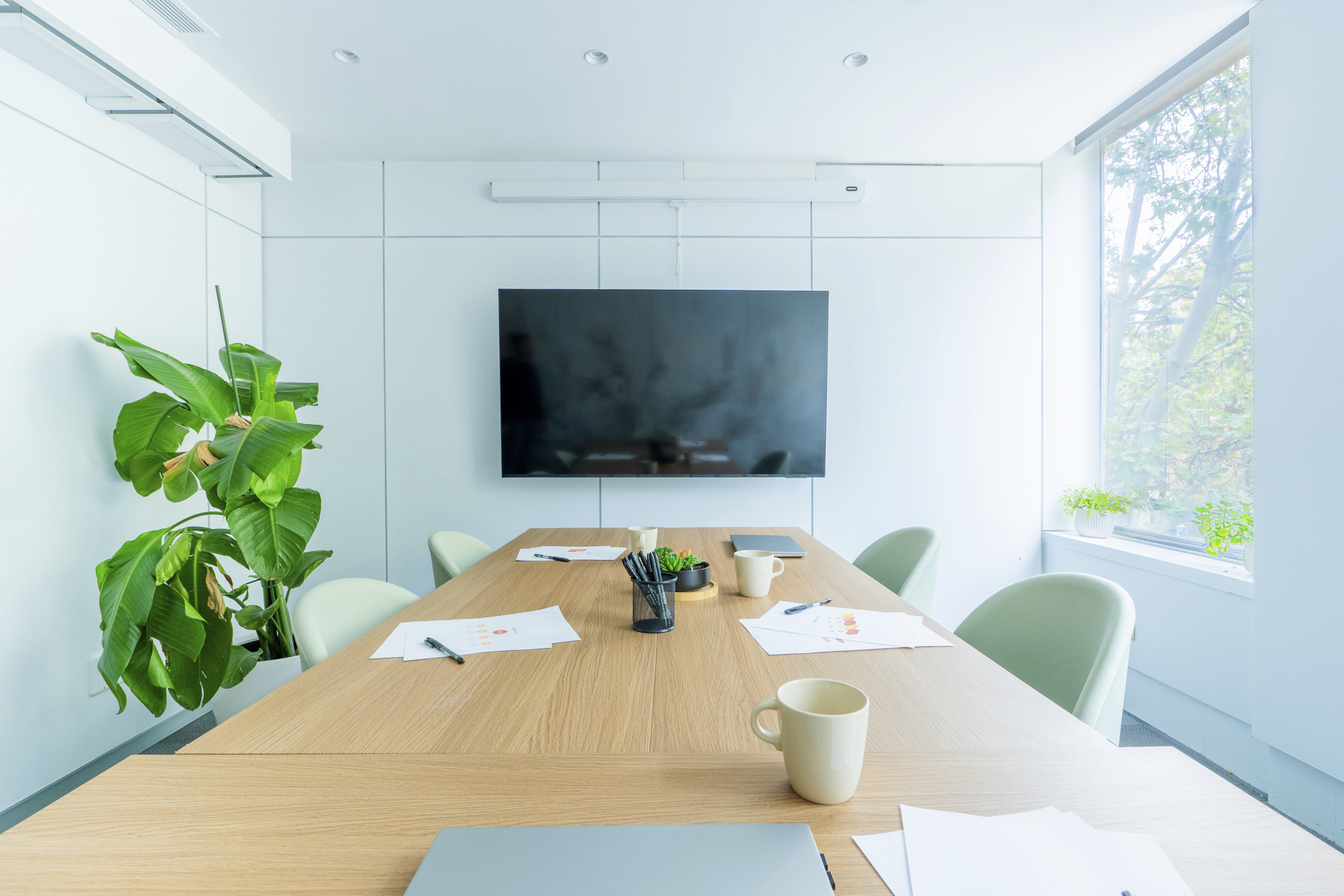
But choosing the right city is only half the battle. The other half is choosing the right venue within Madrid. Location, privacy, access to good technology, and a comfortable environment all have a much greater impact on how a meeting goes than you might think. Having meeting rooms in Madrid designed for different formats—from an informal chat to a serious negotiation—allows for flexibility to adapt to each situation.
Three things to define before booking a room
- Knowing what the meeting is really for: A sales meeting with a client doesn't require the same space as an internal session to move a project forward. Having a clear objective helps determine how many people can fit, how the room is arranged, how long the meeting will last, and what equipment is needed.
- Calculate carefully how many people will attend: A small room for twelve people is uncomfortable for everyone, and it shows. But a huge room for three people conveys the exact opposite of what you're trying to achieve. Balance matters more than it seems.
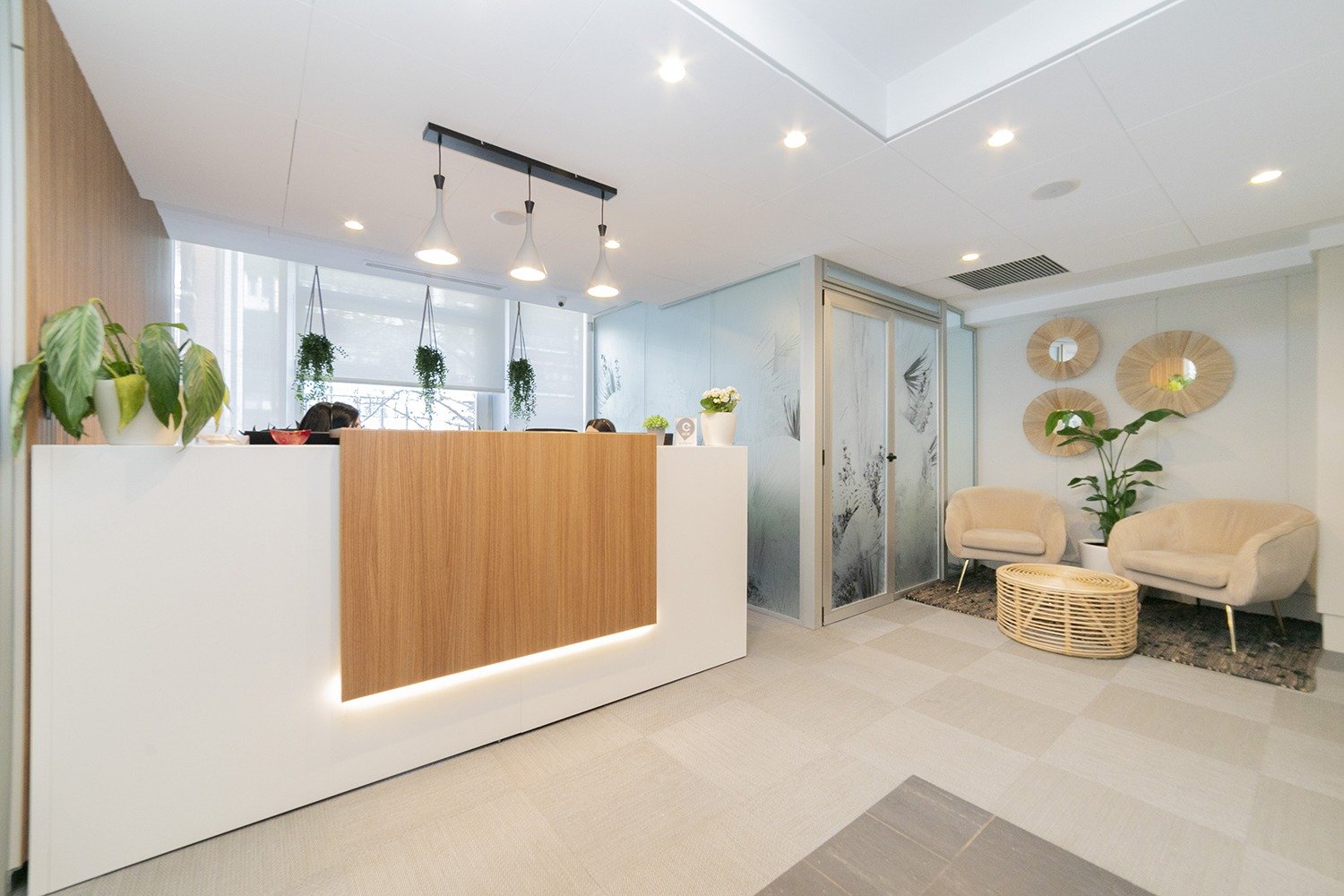
- Think about those who come from outside. If someone has traveled to be there, everything matters: that it's easy to get to, that reception knows they're coming, that the room is ready when they walk in. They're small details, but they're the ones people remember.
What does a space really need for a meeting to work?
When you bring together people who don't normally work in the same place, the space ceases to be a detail and becomes part of the work tool.
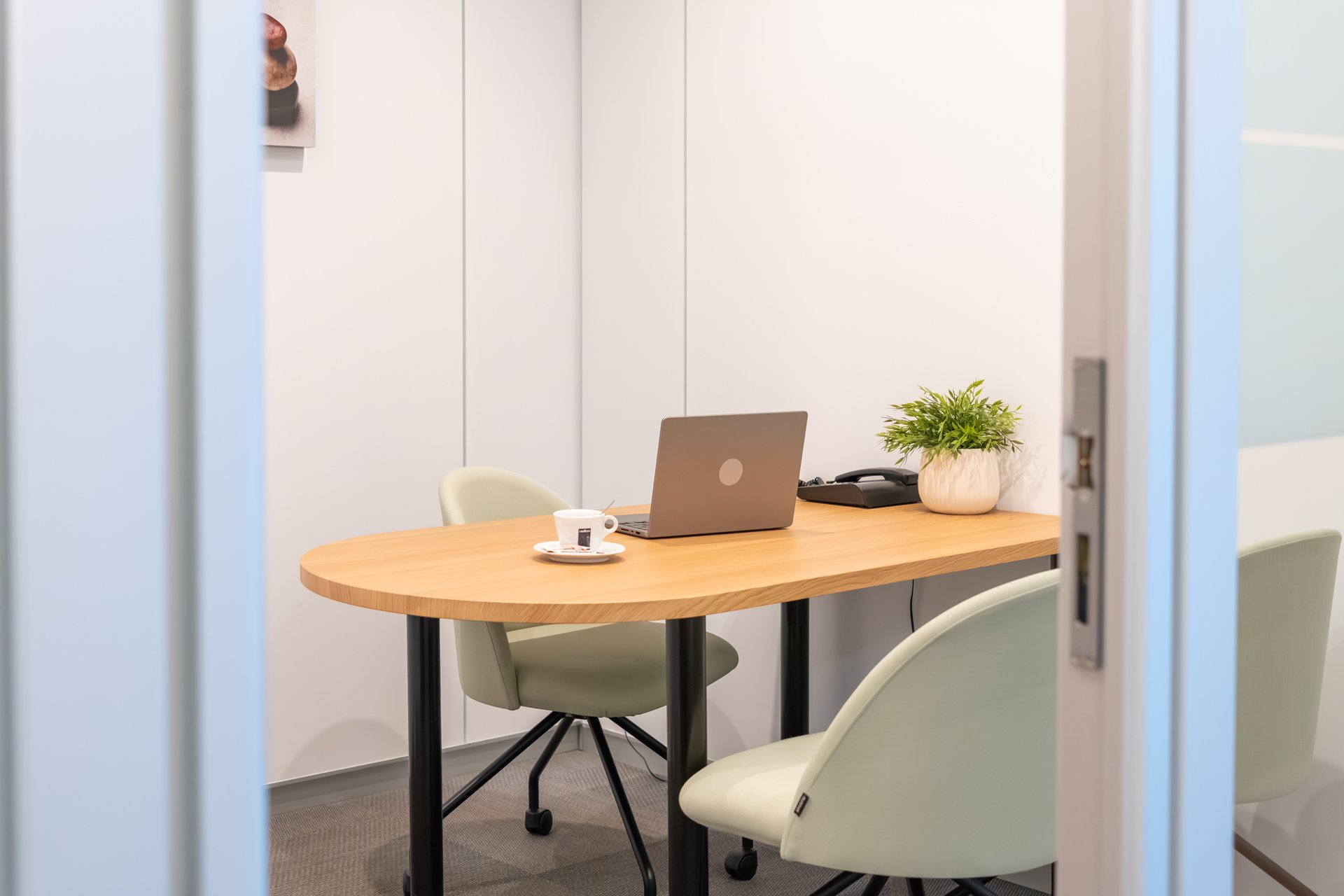
If privacy is needed, for example, because figures, negotiations, or decisions that are not yet public will be discussed, the chosen room must be an appropriate space. Nobody wants to have those kinds of conversations with glass walls and people walking behind them.
Technology needs to work seamlessly. Even in face-to-face meetings, it's common for someone to connect remotely, or for a presentation to need to be shared at the last minute. Wasting the first ten minutes struggling with an HDMI cable ruins any chance of a good start.
And the environment needs to convey something. Welcoming a client or a candidate in a well-maintained space isn't vanity: it's part of how that person perceives the company from the very first second.
Not all meetings require the same type of room
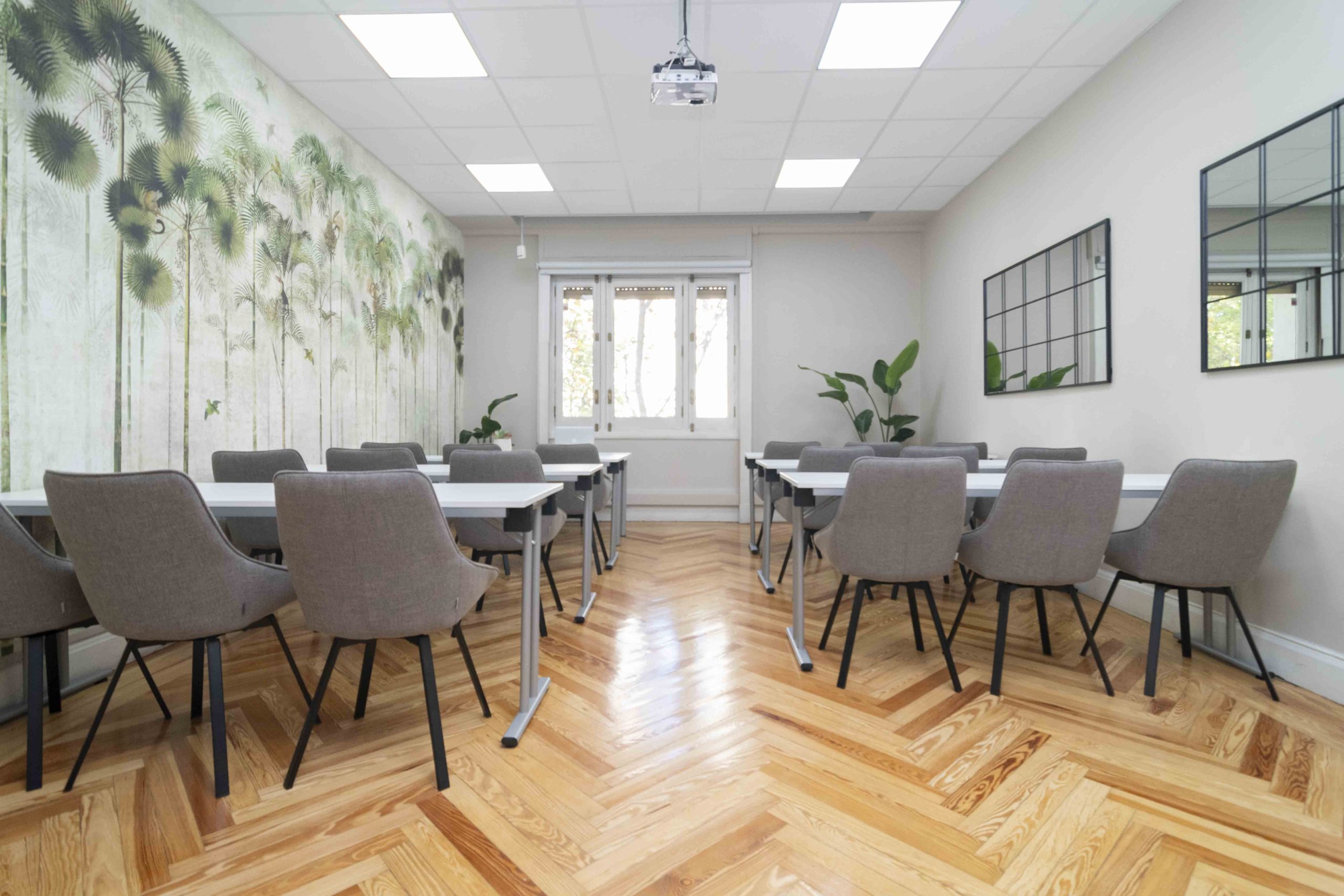
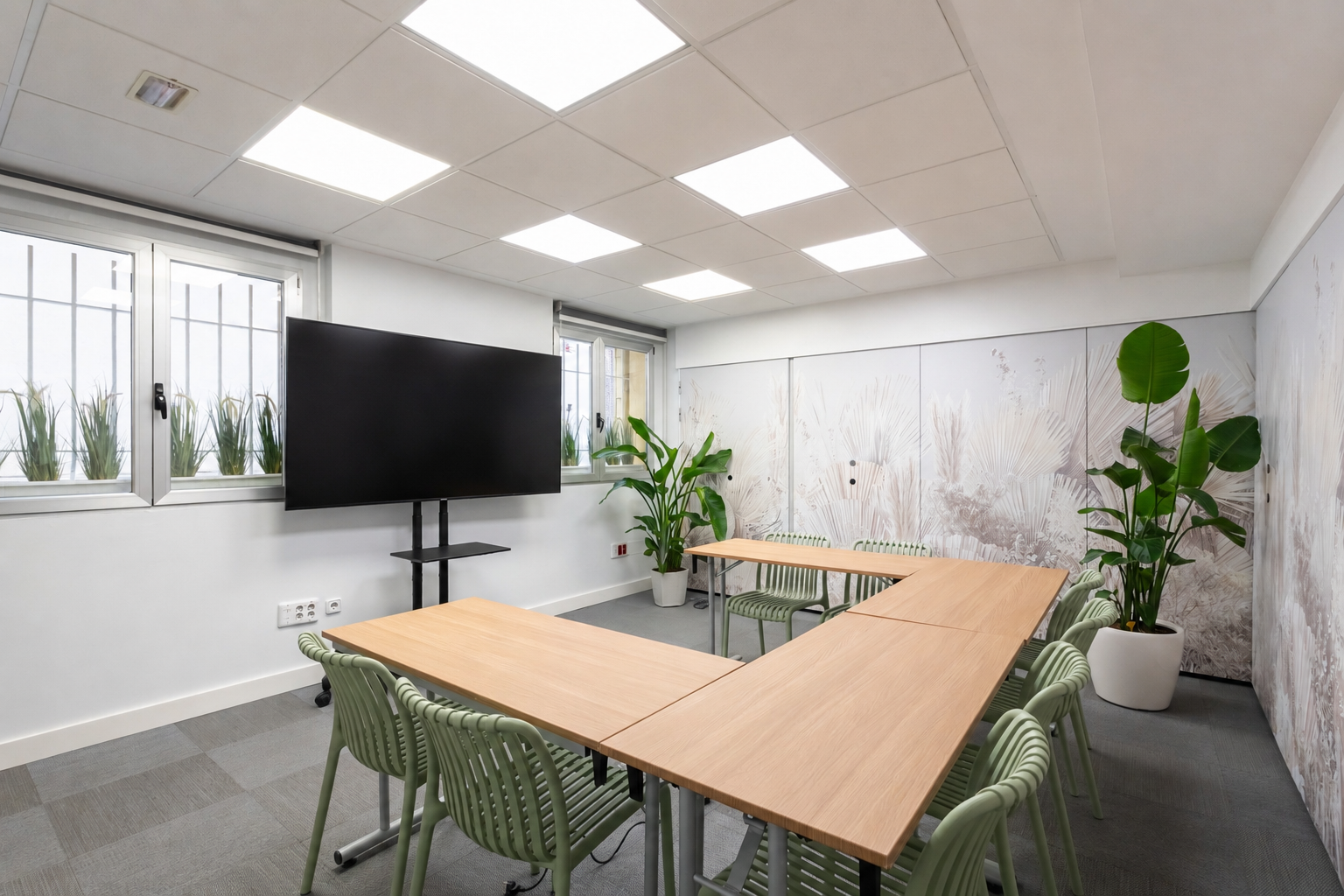
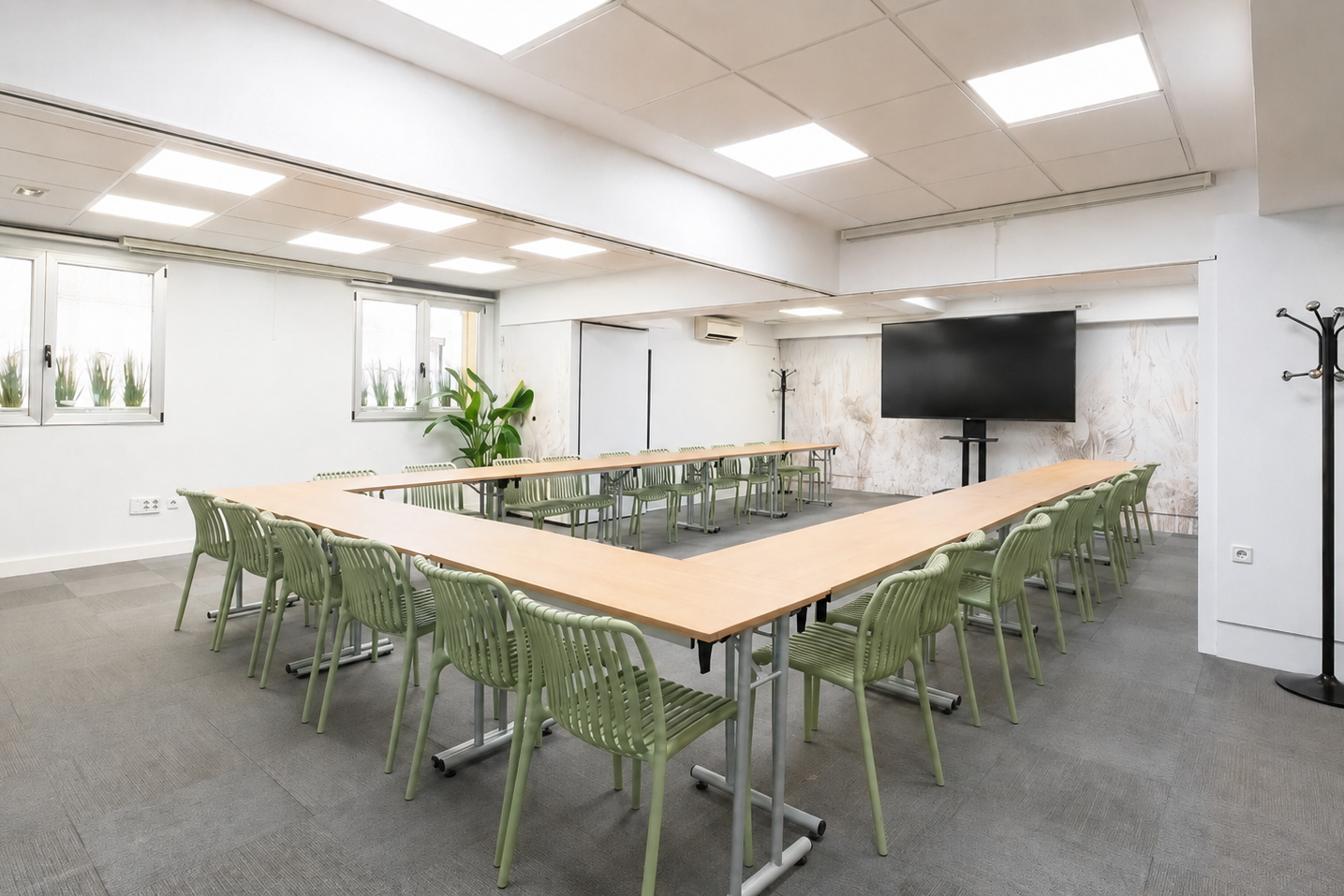
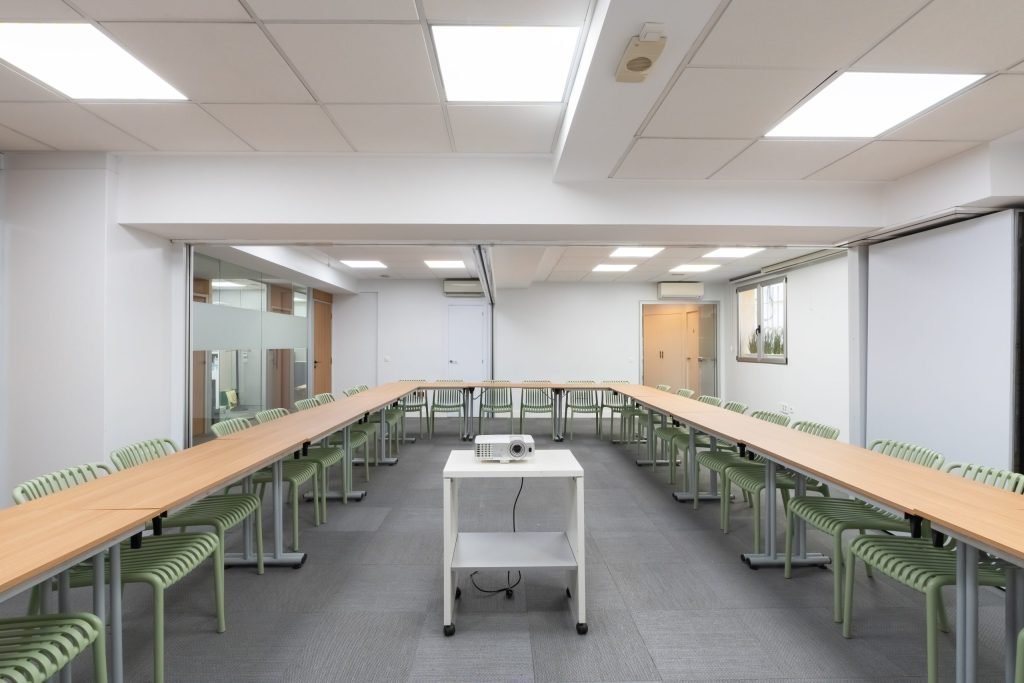
A business meeting with an important client requires privacy and a professional environment, because something is at stake. A team meeting primarily needs a change of scenery and the ability to concentrate without the myriad distractions of the usual office. A training session with participants who have traveled from various cities requires a room designed to accommodate several hours, not just forty minutes. And a management meeting, the kind where the company's direction is truly decided, calls for a more discreet and prestigious setting: for these types of meetings, a meeting rooms in Chamberí They fit well with what many companies are looking for within a consolidated business area of Madrid.
Why Atocha makes sense when people from outside come.
When the meeting involves people who don't live in Madrid, the location matters twice as much: those who arrive by AVE high-speed train at Atocha are just a stone's throw from the building, with no taxis or margins to spare due to traffic. We explain in more detail why the Atocha area works so well for these types of meetings..
Common mistakes when organizing a meeting with people who travel
You don't have to commit all of them for a meeting to go wrong. Just one is usually enough:
- Not having a clear objective before calling people together.
- Inviting people "just in case" who don't really need to be there.
- Miscalculating the time.
- Choosing a room that doesn't fit with what's going to be done there.
- Leaving the technical part until ten minutes before, when it's already too late to fix it.
- Not taking into account the time for breaks with coffee break or lunch, especially on long days.
Paying attention to these details isn't perfectionism. It's simply respecting the time of the people who have traveled to be there.
Madrid, a meeting point for a way of working that is no longer what it used to be.
The way we work has changed, and there's no going back. Many companies don't need a traditional office for every occasion, but they do occasionally need a professional space to meet, receive a client, or conduct an important meeting.
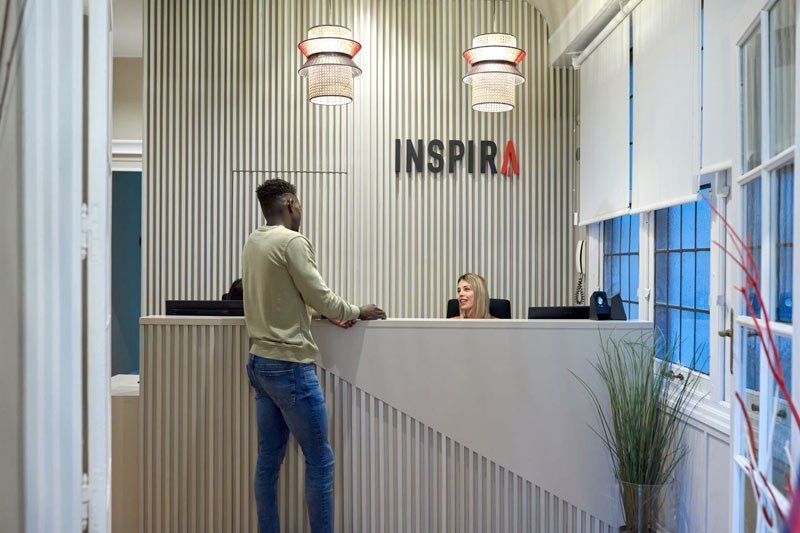
Having a suitable room readily available allows you to set up those moments precisely when needed, with the conditions a real meeting requires. At Inspira Workspaces, we have spaces designed for different types of meetings, from a sales meeting to a comprehensive training session or a management meeting. You can take a look at our meeting rooms in Madrid Or, if you're interested in a well-connected area, to the meeting rooms in Atocha.
Come visit us, Book your room now.
FAQ's
Why is Madrid a good meeting point for a team that works spread across Spain?
Because it's well-connected by high-speed train (AVE) to most major Spanish cities, it allows someone to travel, meet, and return on the same day. For teams without a fixed headquarters or with members in different cities, it reduces travel time to a few hours instead of a two-day trip.
Is it better to have one long meeting or to split the meeting into several short sessions when part of the team has traveled?
If someone has traveled specifically for that purpose, it is usually more worthwhile to concentrate everything important into a single, well-planned block rather than spreading it out over several short meetings throughout the day — this way the trip is used more efficiently and downtime between sessions is reduced.
What do you do if someone on the team can't attend a meeting in person that's meant for everyone to be present?
The usual practice is to maintain the in-person format for those who can travel and connect the rest via video call from the room, instead of moving the entire meeting remotely — that way the main reason for meeting in person is not lost.
At what number of people does it become worthwhile to book a room instead of using a video call?
It's not so much a fixed number as the type of conversation: as soon as there is an important negotiation, a decision that affects several departments or someone from outside who needs to be convinced, it is usually worthwhile even if it is only 3 or 4 people.
How to prevent a meeting with people who have traveled from turning into a waste of time?
Paying attention to detail: making sure the room is ready upon arrival, that the technical aspects work from the first minute, and that the objective is clear before starting — when someone has traveled to be there, any minute of improvisation weighs more heavily than usual.