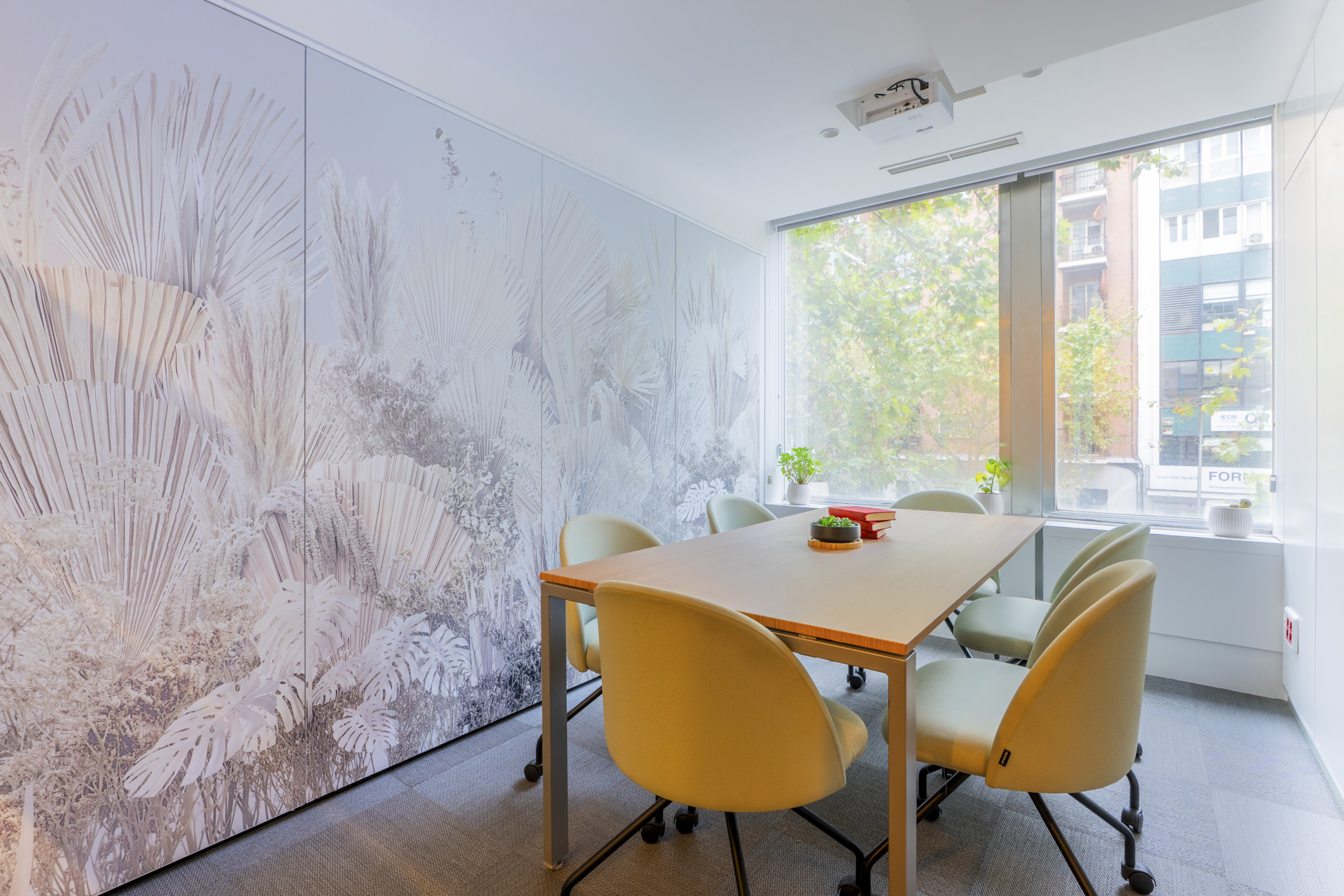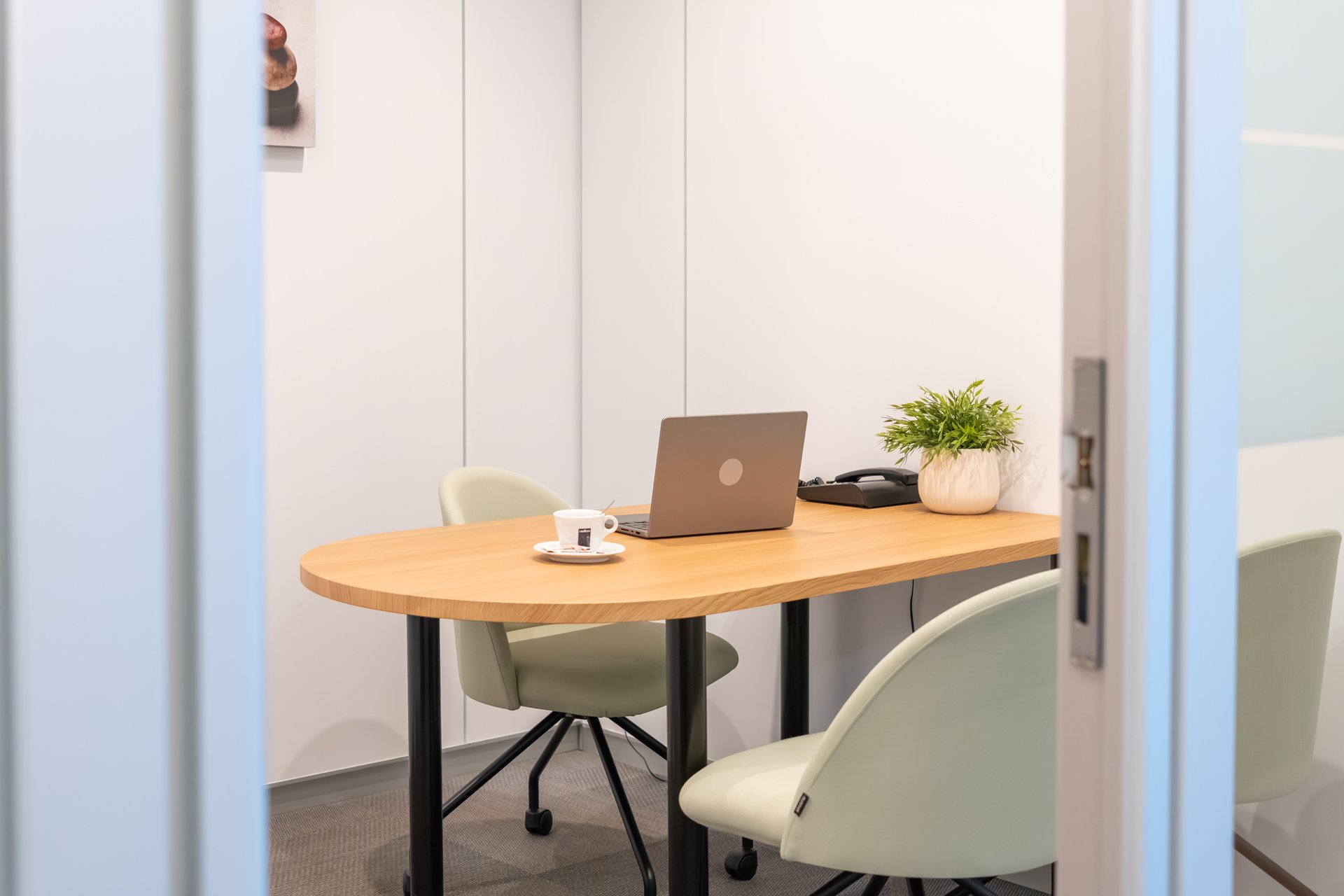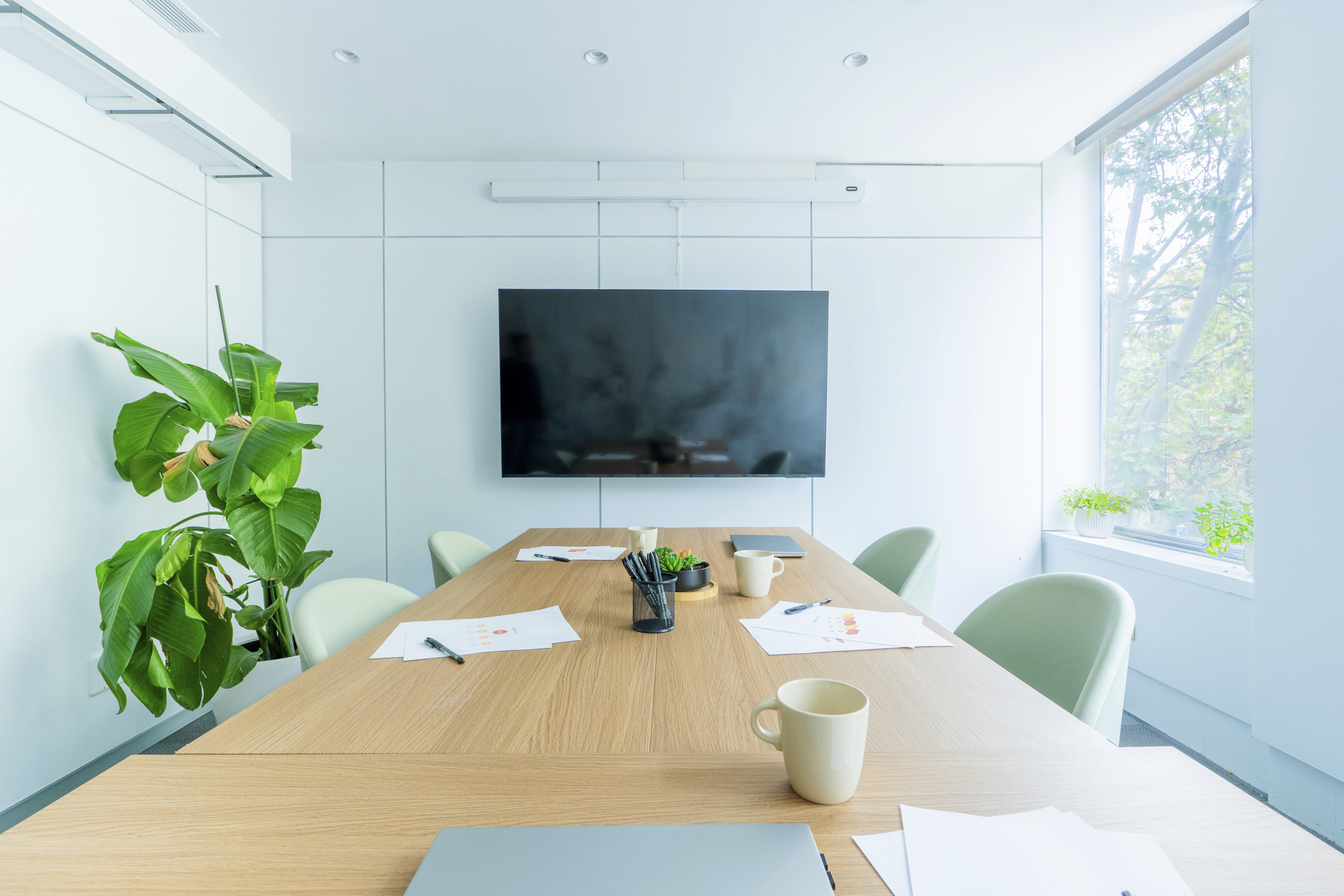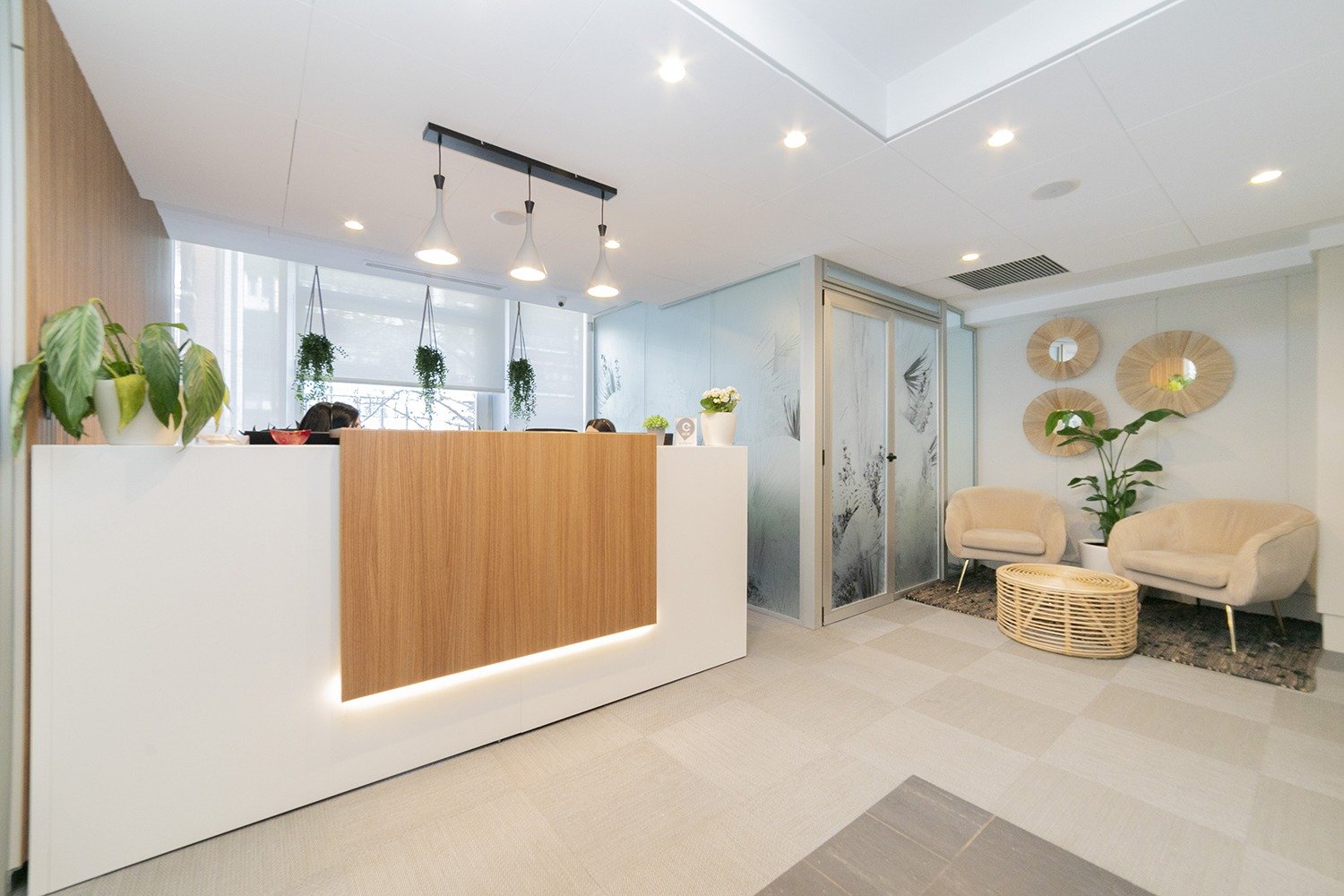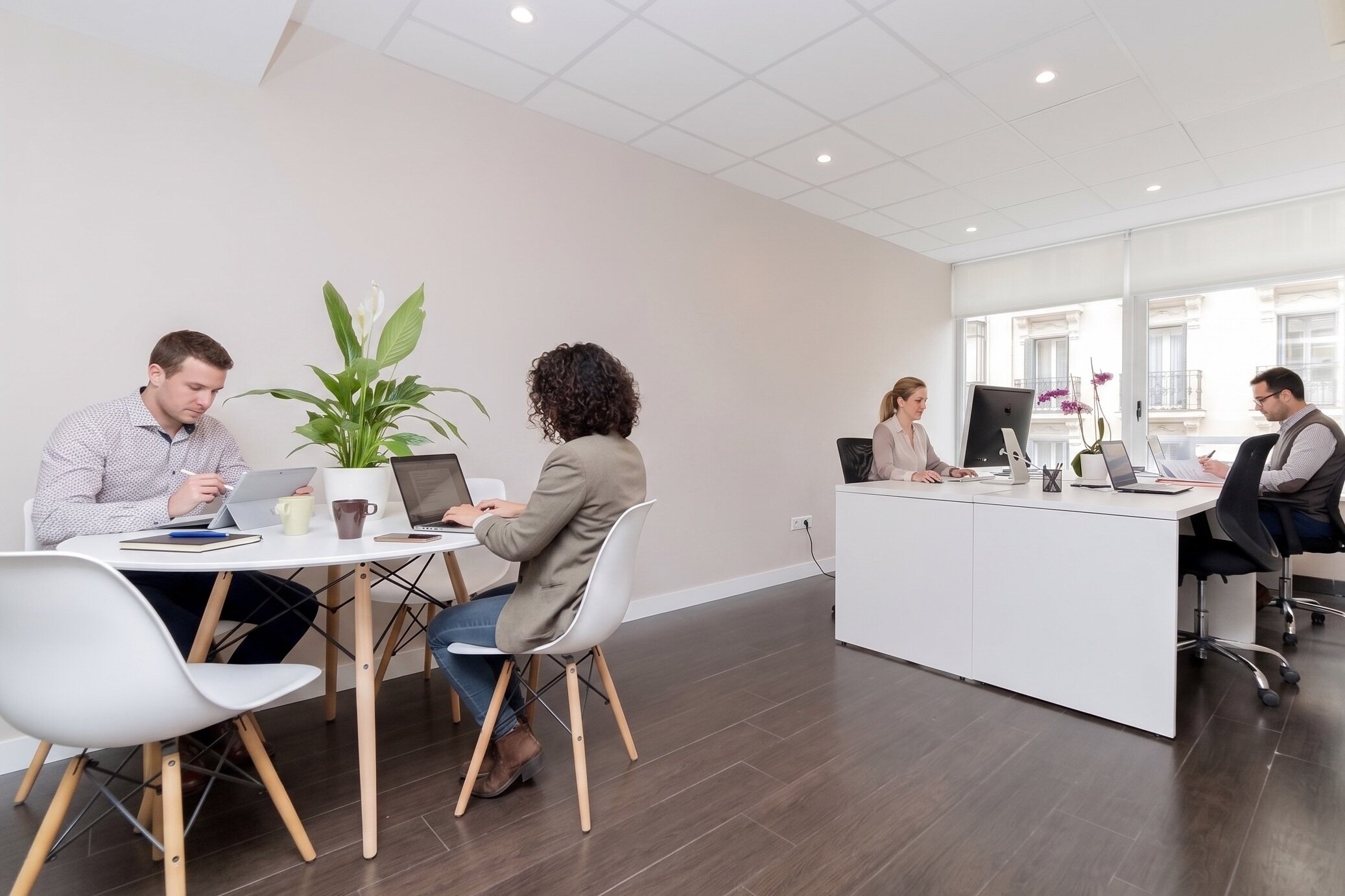
Some training sessions are remembered for what was learned, and others for what happened around them: the wifi that went down, the heat at noon, the power outlet that didn't reach.
If you organize courses or workshops, you know that the content is only half the job. The other half is making sure the space is an ally, not a problem.
A training session is not like a long meeting. Here, people have to pay attention for hours, participate, and leave having learned something, and each type of training demands different things from the participants. We'll explore the six formats we see most often at Inspira Workspaces, in Atocha and Chamberí, and what to look for in each one.
Six training programs, six different needs
Team building and skills
Leadership, communication, feedback, time management. They are usually groups of 8 to 15 people with a lot of dynamism: exercises in pairs, work in subgroups, standing periods.
In these types of meetings, ample space is essential. If the room is too small, the facilitator ends up cutting back on activities, and the workshop loses its best qualities. Natural light also plays a more significant role than it might seem: it maintains the group's energy well past midday.
Technical training with laptop
Software, digital tools, data analysis, advanced office automation. Everyone works with their computer almost all the time.
Here, before booking, you have to look at four things: tables that can fit a laptop, a notebook and a bottle of water, wifi that can handle the whole group at the same time, a working projector and power outlets within reach.
Onboarding and internal training
Welcome to new hires, product or process training. Small and often recurring groups: every month, every quarter, or with each new promotion.
Here, the atmosphere and seamless organization are key (same space, same level of service, easy booking). For new employees, this meeting room will also be their first impression of the company.
Open courses, certifications and academies
This is the case where the organizer sells the training and the attendees come from different companies, without knowing each other or the venue. The room is part of what they are buying.
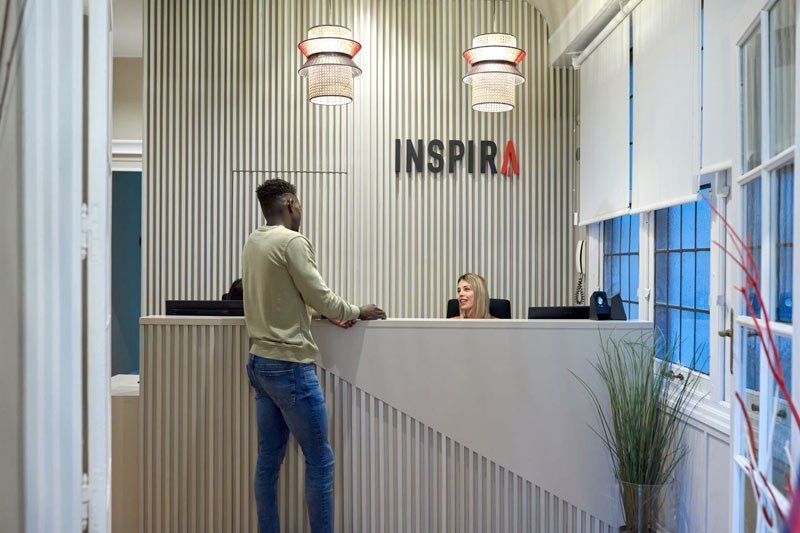
For these courses, an easily accessible location, a welcoming reception area, and a positive first impression that justifies the registration fee are essential. Providing a coffee break adds value and enhances the attendees' experience.
If the course has its own brand, customizing the room with the logo helps to reinforce it. It's also useful to be able to use the same room in multiple sessions.
Hybrid training
Training sessions with some participants physically present and others participating remotely are becoming increasingly common. For those attending in person, the comfort of the room is essential, but for those attending remotely, the room is essentially just the camera and microphone; if these fail, they are at a disadvantage compared to those attending in person.
For this reason, it's vital to choose rooms equipped with good videoconferencing equipment and a projector or TV. When booking, let them know your needs from the start so the room staff can test and set up the connection before anyone arrives.
Masterclasses and short sessions
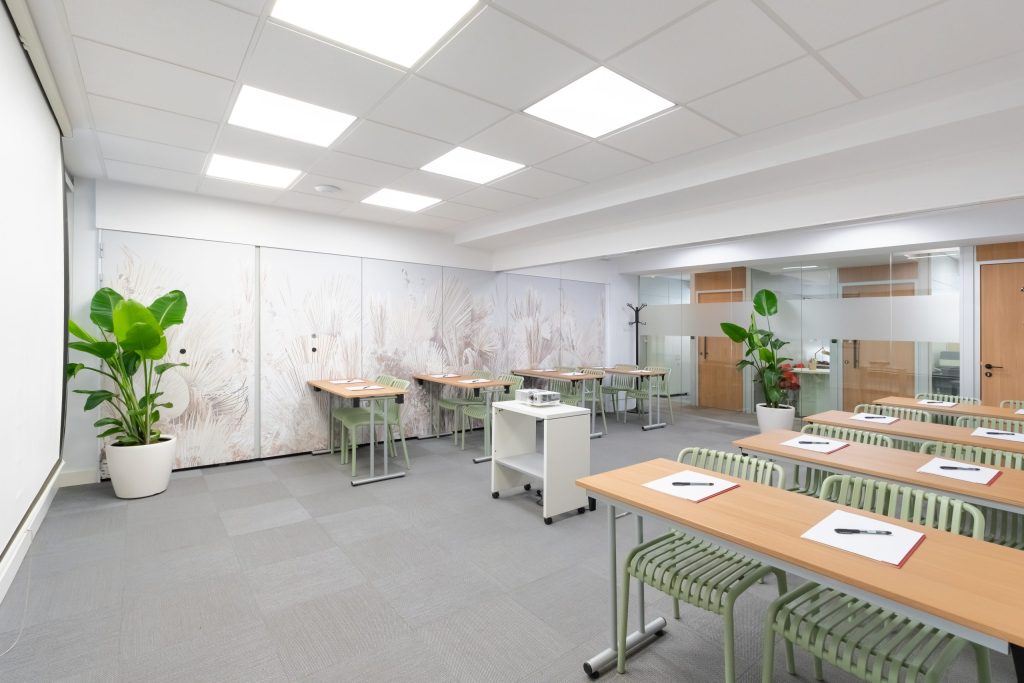
These sessions typically last one or two hours and have a more lecture-based format with less interaction: expert talks, product presentations, launch sessions, or open classes. They are short, but the audience is usually larger than at a full-day training course, and first impressions matter a lot because there's no time to recover from a bad start.
The key here is that everyone can see and hear clearly, no matter where they're seated. The screen needs to be readable from the back rows, and the sound should be clear without forcing the speaker to strain their voice. This is something worth testing beforehand, with the room empty and from the back, not just from where the speaker will be.
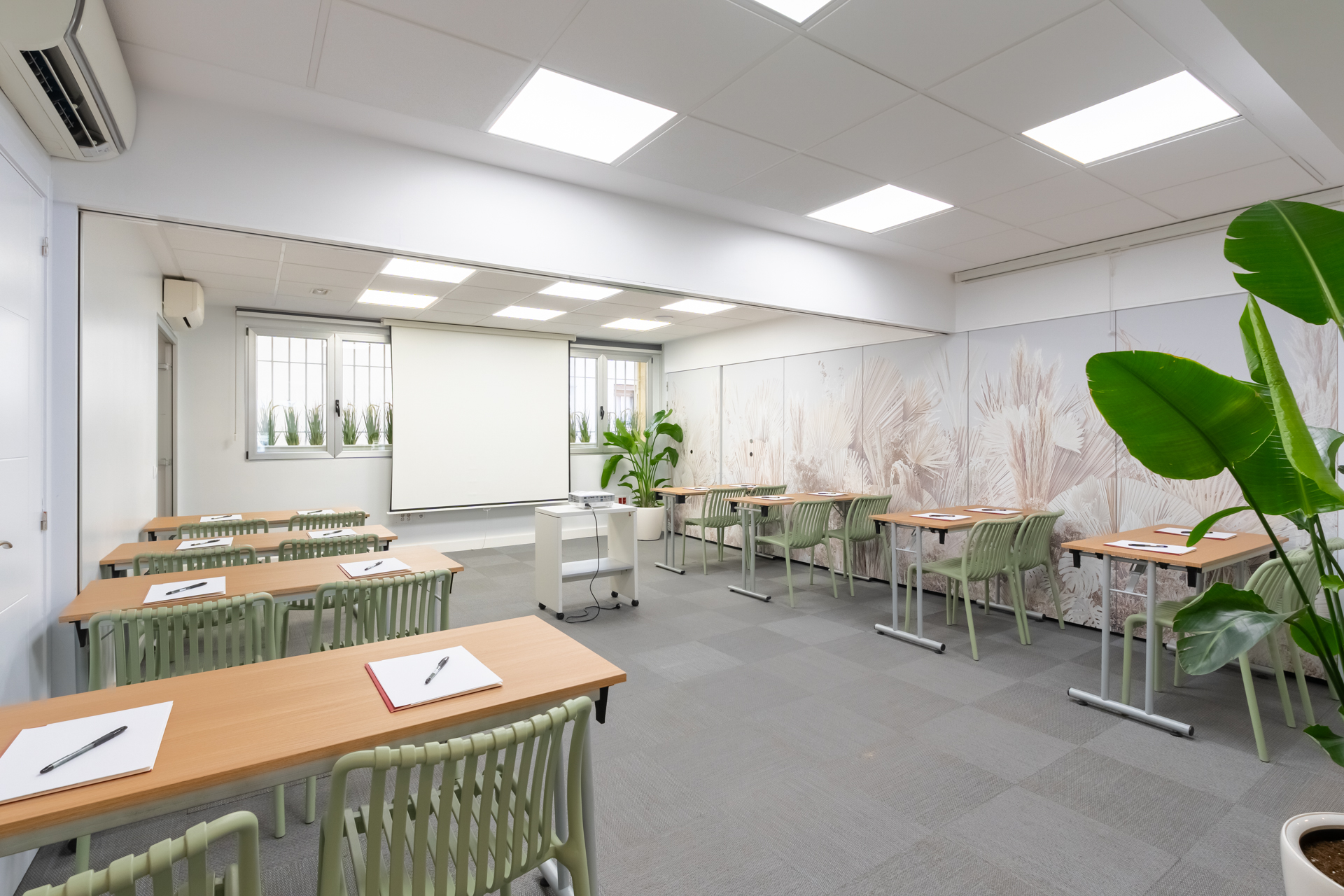
Preparing the training day: what almost no one plans
Most problems in a training session don't stem from the room itself, but from everything that wasn't considered beforehand. Once the room has been chosen, it's advisable to review four things:
The montagePlease request access well in advance of the start. Setting up materials, testing the screen, and checking the sound at your leisure completely changes how the session begins. If you need a whiteboard or any special equipment, please mention it when booking.
The rhythms. An eight-hour workday requires planned breaks, not improvised ones. As a general guideline, a short mid-morning break, a leisurely lunch, and another short mid-afternoon break maintain focus much better than cramming into a schedule. Think of the coffee break as part of the agenda: have it ready when you need it.
Food. In full-day training courses, resolving this in the same space saves travel time and time. You can check the options for Catering at Inspira Workspaces Atocha and options Inspira Workspaces Abascal catering.
Change of dynamics middayMany training courses alternate between theory in the morning and practical sessions in the afternoon. If you need to move the furniture during lunch, please let us know in advance and it will be ready without disrupting the session.
And a practical recommendation: if you are going to repeat the training several times, Visit the room before you get engaged. Ten minutes in space tells you more than any index card.
Which room suits your group?
Inspira Atocha (Paseo de las Delicias) is the venue with the largest capacity and variety, from small rooms to spaces for 55 people. • For small workshops, there are rooms for groups of up to 8 people.
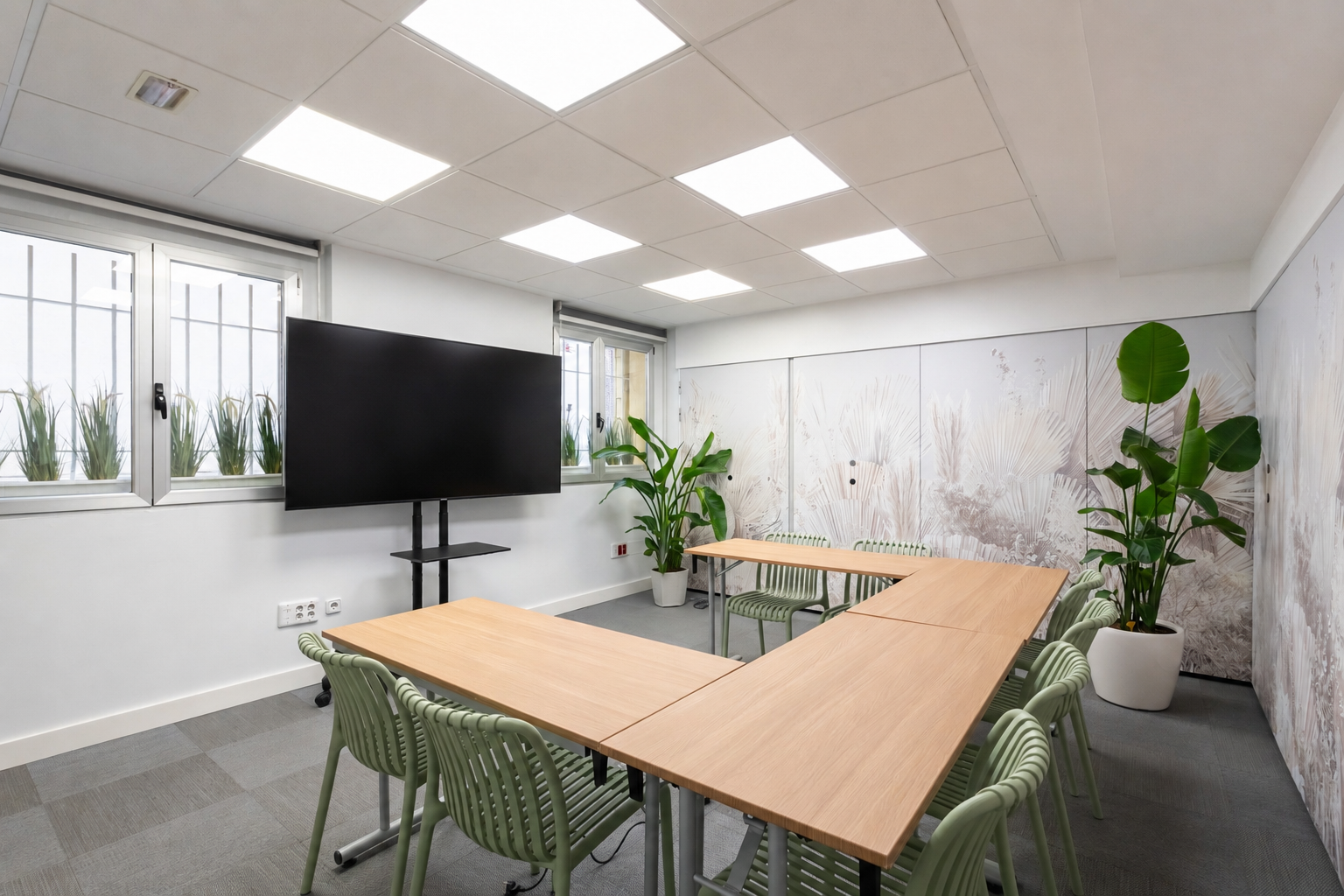
• For team training sessions of up to 16 people, the Delicias Room is designed for this use, with configuration options and space for dynamics.
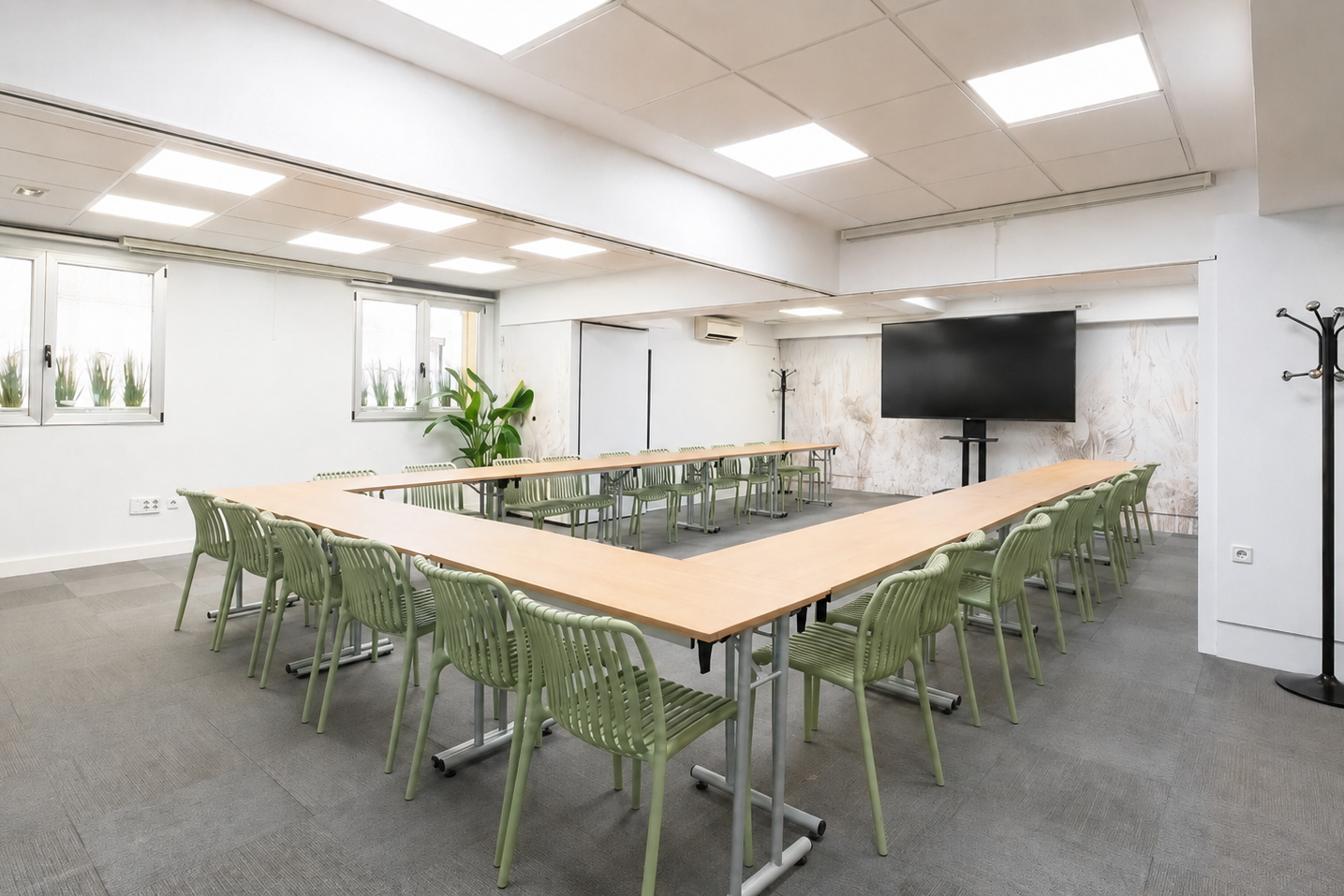
• For medium and large groups, the Contemporary Space accommodates up to 28 people, and the Art Space, our largest room, accommodates up to 42 in training and 55 in presentation.
Furthermore, its proximity to Atocha station makes travel much easier for those arriving from other cities, which is especially appreciated during open courses and workshops with attendees from out of town. You can see all the options in our meeting rooms in Atocha.
Inspira Abascal (Chamberí) is a more intimate venue, with three rooms and a very friendly atmosphere, located next to the Castellana and just a few minutes from the Gregorio Marañón metro station.
• It is a good choice for small, controlled training sessions, for example, with clients, managers, or senior profiles among the attendees.
• The Abascal Room accommodates up to 25 people, and the Sorolla Room has a terrace that offers plenty of space for breaks and coffee breaks.
• Here we can personalize the room with your logo, at no extra cost, useful if the training has its own brand.
You can find the details in our meeting rooms in Chamberí.
Both locations offer catering, high-performance Wi-Fi, projectors, and videoconferencing equipment, as well as attendee reception. If you're looking for a more general guide on room configurations and which room is best suited for each type of meeting, we have another article: Which meeting room do you need based on your meeting?.
If you organize training sessions regularly
If you're going to repeat courses, workshops, or onboarding programs, it makes sense to find a place for it and stick with it. We often hear that what frequent trainers value most is not having to start from scratch each time.
Tell us what kind of training you have in mind and we'll guide you to the room that best suits your needs. You can write to us or come and visit both locations.
FAQ's
How many people can fit in a training room?
It depends on your needs and how the space will be used. With laptops and room to move around, the layout will be different than if everyone has to remain seated facing forward. For example, our larger room in Atocha can accommodate 55 people for presentations and 42 for training. Always ask about the capacity and possible configurations for your specific situation.
How far in advance should I book?
For training sessions with fixed dates and full days, two or three weeks' notice is usually sufficient. If you have a series of sessions or a recurring course, it's best to book several dates at once.
Is it better to book by the hour or for a full day?
For short sessions, you can rent by the hour or half-day. For training sessions that take up a good part of the day, a full day is usually more cost-effective per hour and gives you time to set up and take down without rushing.
Can I conduct training with remote attendees?
Yes. Please mention it when booking so we can reserve the videoconferencing equipment and ensure the connection is ready before the session begins.
Is there food and coffee service available for full days?
Yes, at both locations we offer coffee breaks and catering options so that the day is not interrupted.