We are experiencing a time of cultural transformation in the workplace where all three methods can be effective. We must always analyze what is best in each case, taking into account the organizational culture, the type of activity being carried out and the role of each employee.
We asked in our networks And we also conducted an internal survey exclusively for our community, on how they like to work. Hybrid, 100% remote or fully in-person?
The survey results show that the majority of our coworkers prefer the hybrid modality. The flexibility of being able to combine remote work and in-person work was the most popular option with 79% compared to 21% who preferred the teleworking option and 0% for full in-person work.
On a day-to-day basis, these results are absolutely reflected in both our offices, as we see more and more companies moving towards the hybrid model. 80% of companies that have private offices in Inspira Workspaces work remotely at least one day a week.
On the other hand, colleagues in the coworking sector agree that, although Spain does not seem to be growing in teleworking, hybrid models are gaining ground and this trend seems to be one of the keys to improving competitiveness today.
Reasons to migrate to the hybrid mode
Three reasons top the list of the survey conducted by Inspira Workspaces:
- Greater autonomy and freedom to manage time.
- Work-life balance.
- Strengthening connections with the team and other professionals on face-to-face work days.
Other reasons:
- Reduction of stress and increase in the perception of emotional salary.
- More responsibility and commitment from the team towards tasks and organizational culture.
- Cost reduction for both the company and employees.

Challenges of hybrid work
The challenges are associated, among other things, with the expected results, since, in general terms, one of the major concerns is the possible loss of productivity.
This factor often causes companies to focus more on the operational side, leaving aside the human side, and in the transition from a face-to-face model to a hybrid model this should be prioritized. Therefore, not losing focus on the human side also becomes a great challenge.
Employees need to trust in their ability to manage time. That is why it is important to have supportive leadership that helps develop self-management skills.
Effective communication, as always, is the great tool to achieve this. Being in contact with people, listening and understanding the work environment is key.
Companies will also need to incorporate online communication and collaboration tools, but also provide training.
Advantages of the hybrid model
Hybrid work combines the best of on-site and remote work, giving people flexibility. It is a solution that benefits companies and employees.
Today, flexibility can tip the balance when choosing between one position or another; it is an essential factor for attracting and retaining talent.
According to a McKinsey study, 87% of people work flexibly when they have the option to do so.
As we mentioned at the beginning of this article, we must analyze what is best in each case, but without a doubt in the market it is something that makes the difference.
The most important points:
- Reduction of travel.
- Optimizing the use of workspaces and reducing costs for companies, especially those considering renting shared flexible spaces or exclusive-use offices in coworking spaces.
- Expansion and access to diverse and specialized talent.
- Healthy balance improves quality of life and boosts productivity.

Coworking and hybrid work spaces
Coworking spaces are the perfect allies for companies that decide to adopt the hybrid model.
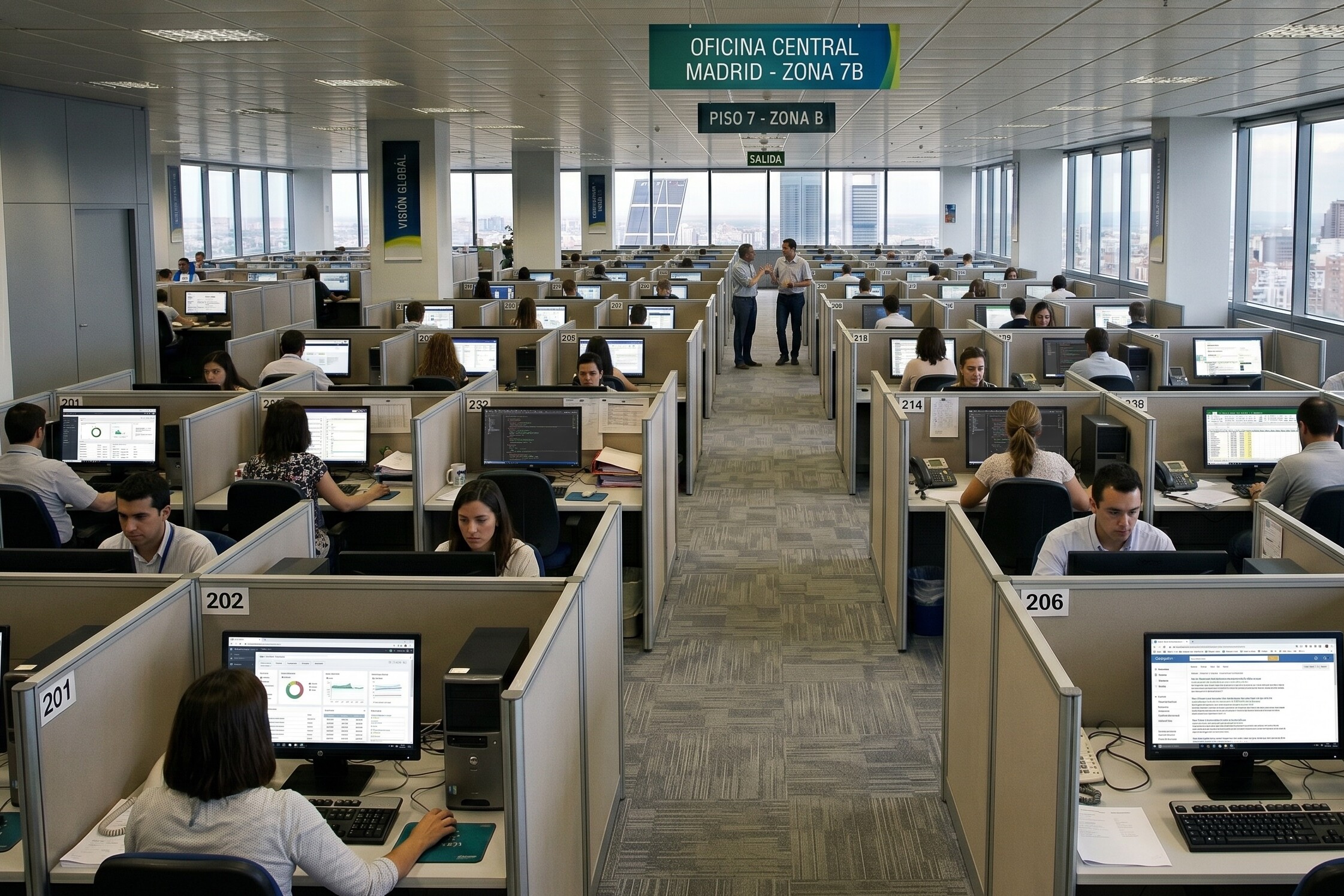
Coworking offers companies flexible solutions that fit perfectly with this type of work, far surpassing the advantages of traditional offices.
Fully-serviced spaces in a professional and collaborative environment where professionals from different sectors can meet, share ideas and network.
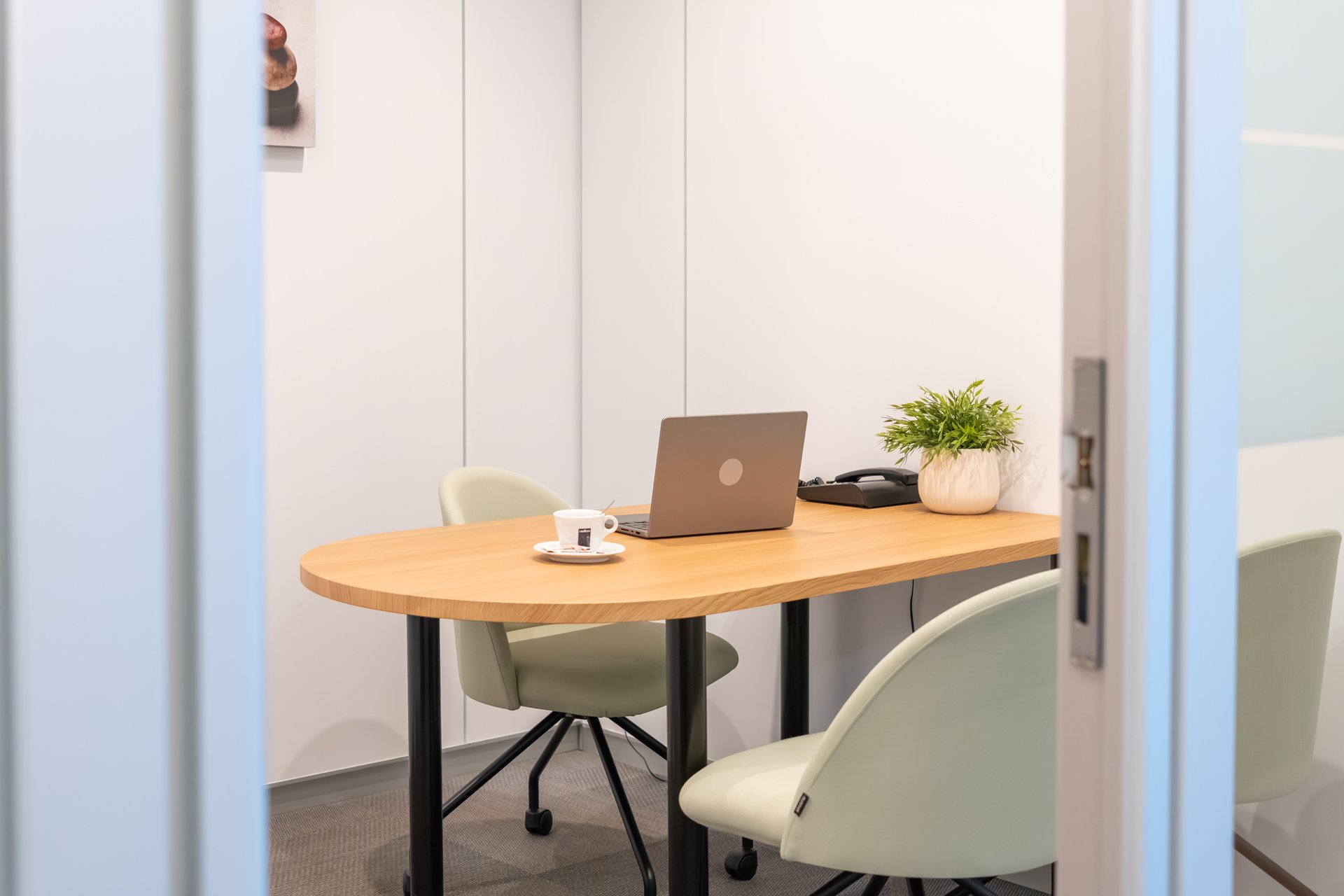
Typically, although it depends on each coworking space and its services, you can choose between private offices or flexible workstations in shared areas. The interesting thing is that it does not require any investment and is equipped with the necessary amenities to start immediately:
- High speed internet connection.
- Premium locations.
- Present and future furniture.
- Common areas, such as terraces.
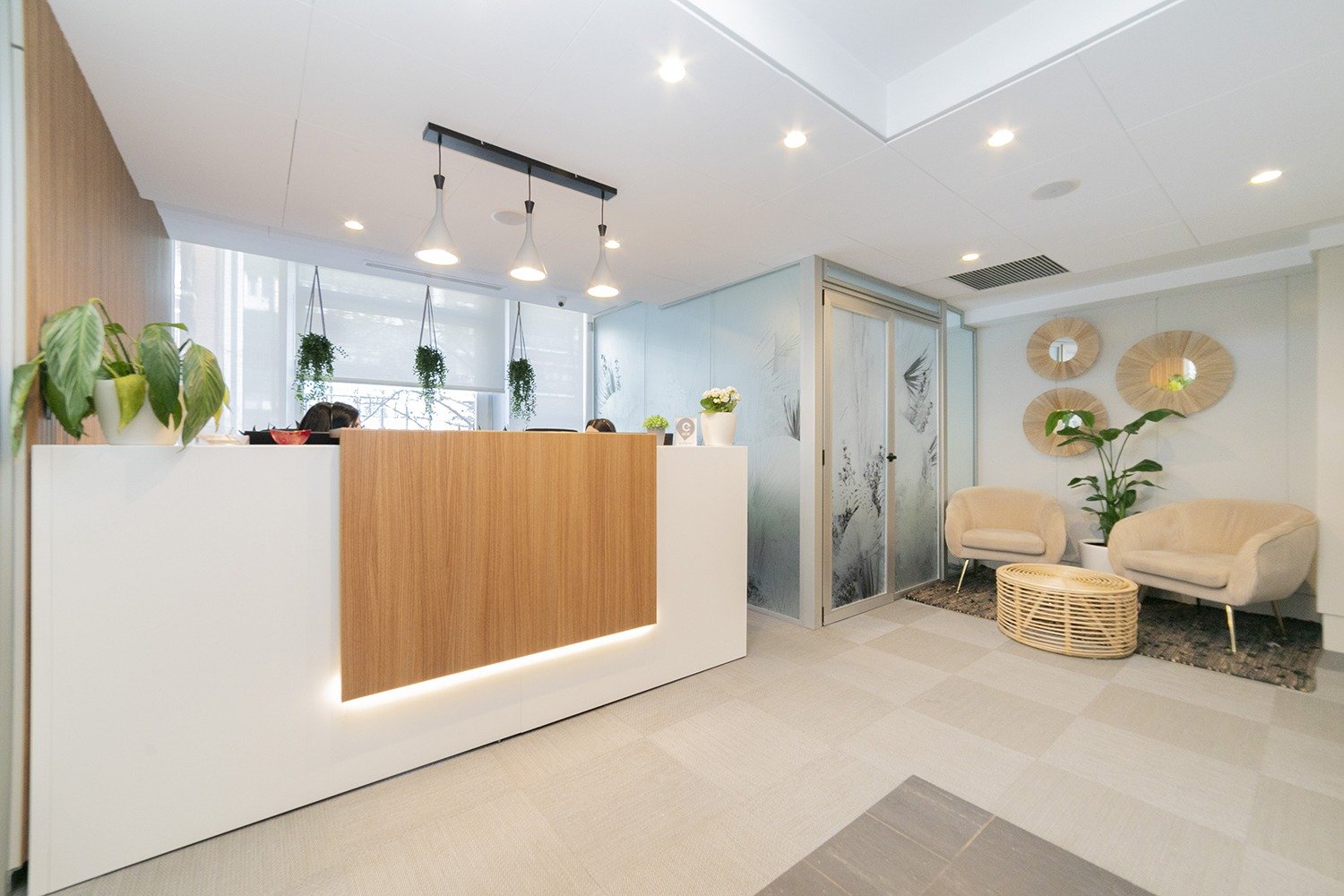
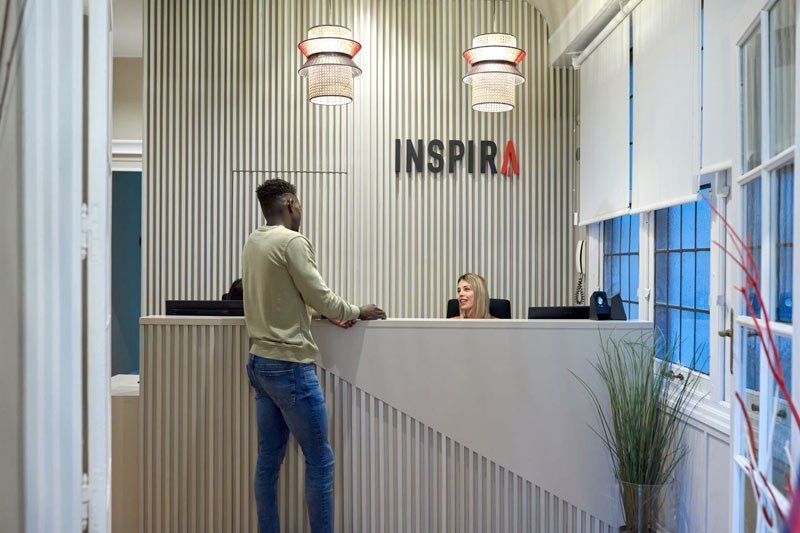
- Reception and personalized attention.
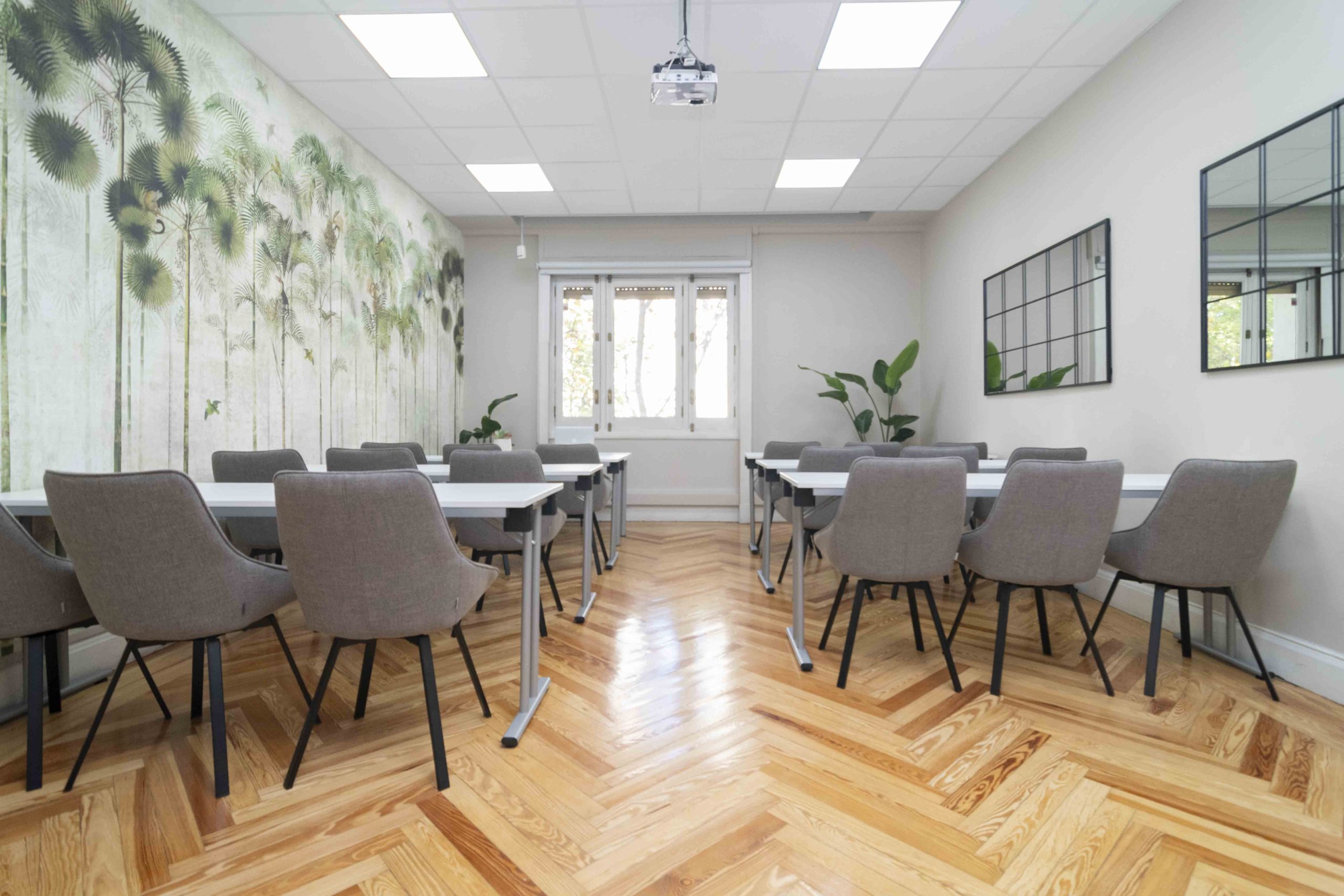
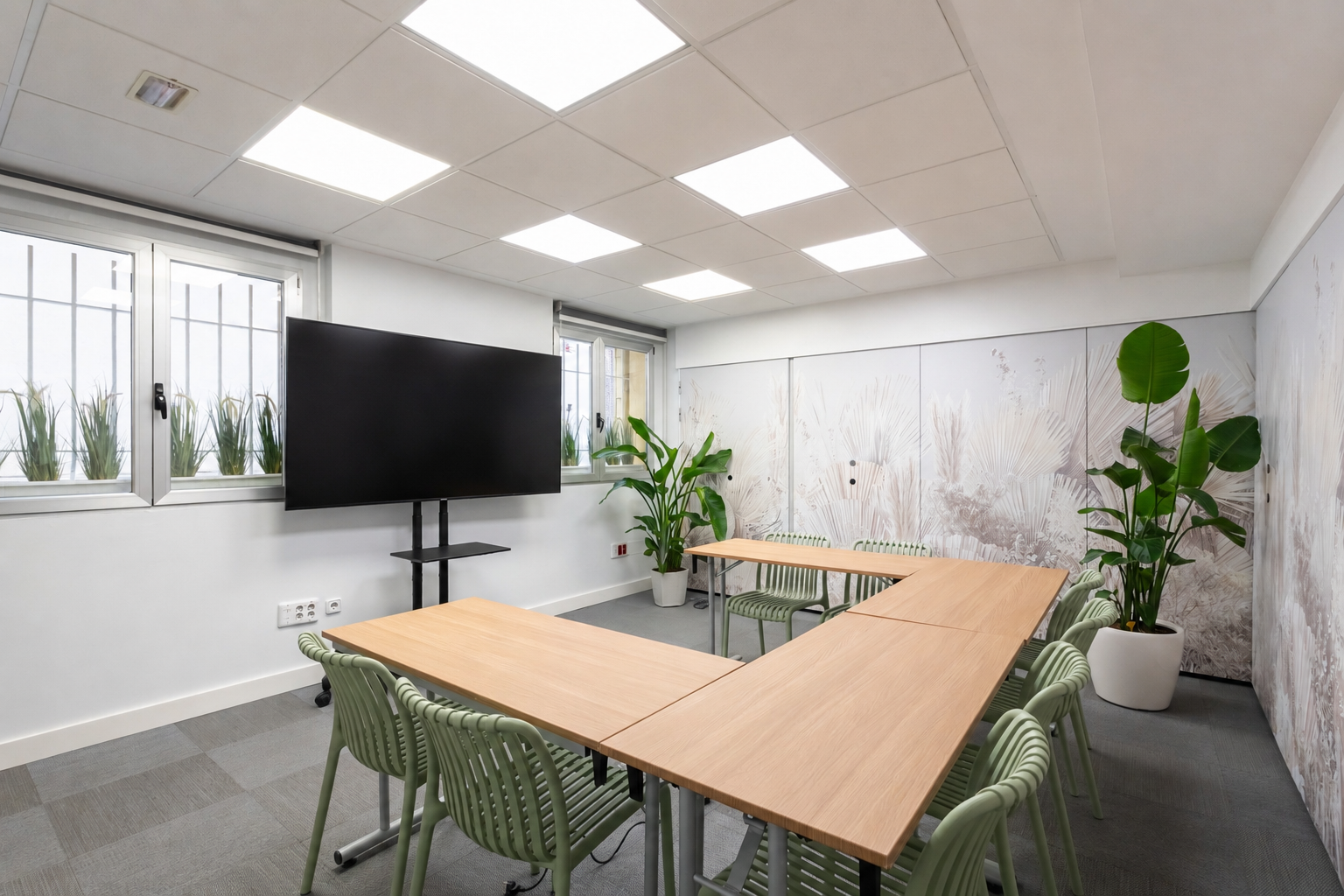
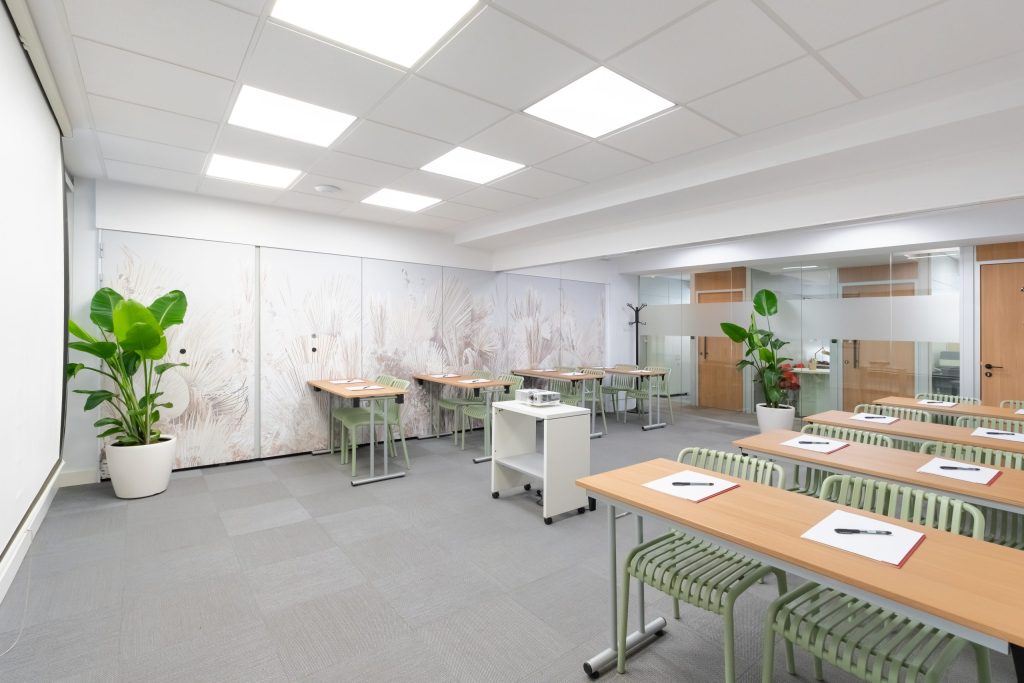
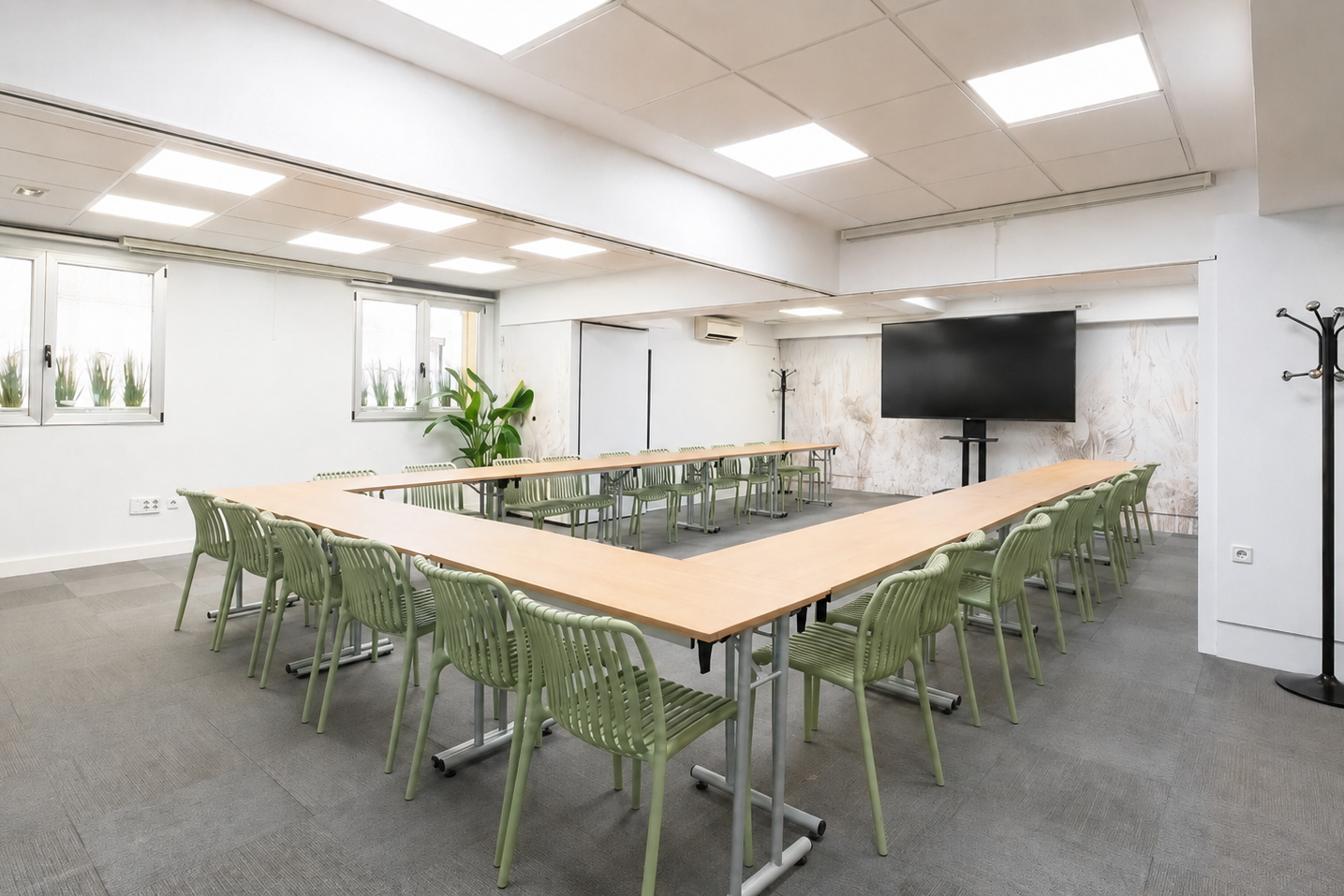
- Meeting rooms.
- Cafeteria and printing service.
- Low cost with savings in investment in infrastructure and maintenance.
Do you want a coworking office in Madrid to work in a hybrid mode?
If you are looking for an office in Madrid ready to start working with your team and apply the hybrid model in Inspira Workspaces We have two offices located in strategic areas of the city.
- Atocha inspires, Paseo de las Delicias 30.
- Abascal inspires, Jose de Abascal 44.
You can start without worrying about anything, we are here to support you with customized solutions.
Discover all our spaces and services that we have in Inspira Workspaces and join our community.
.