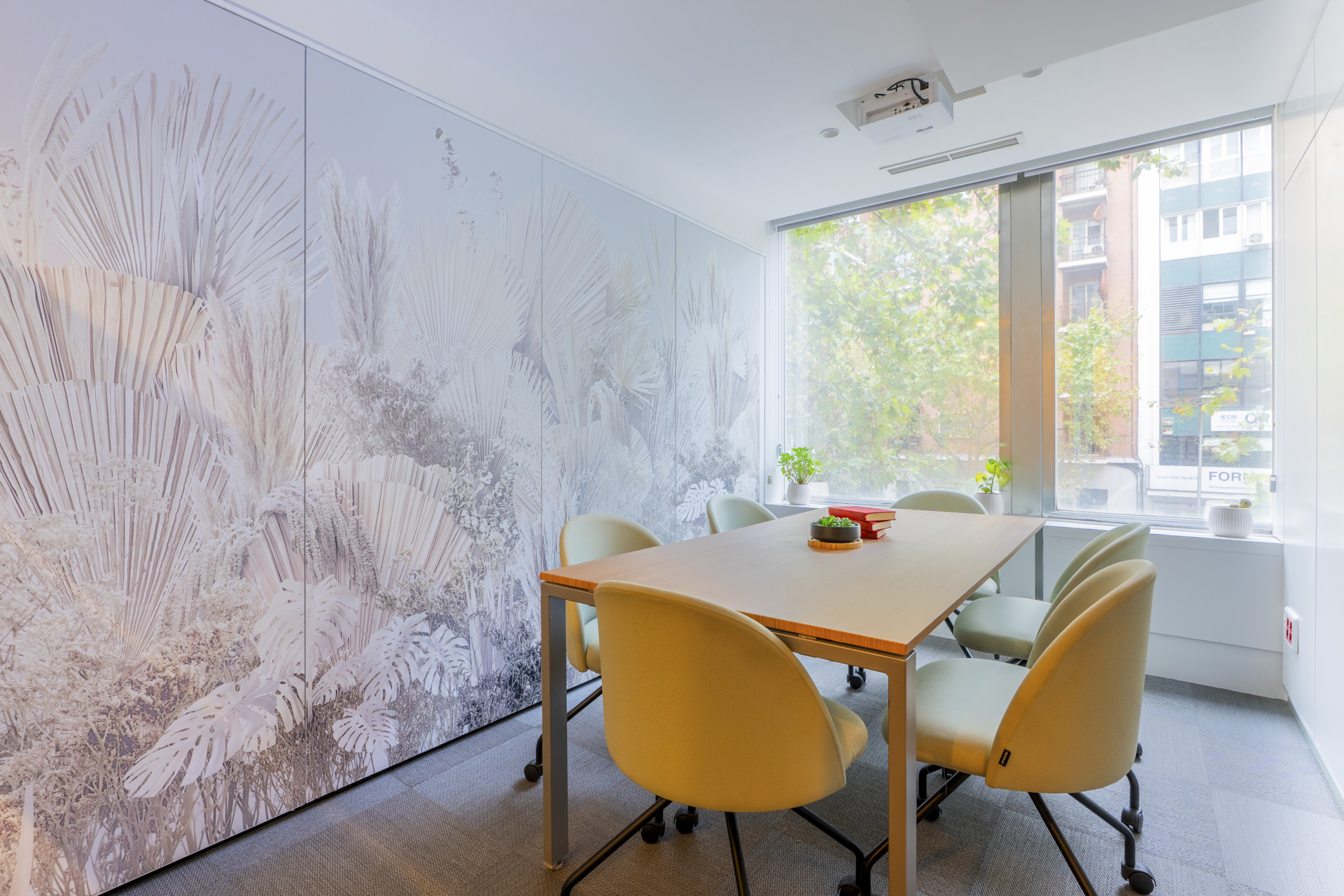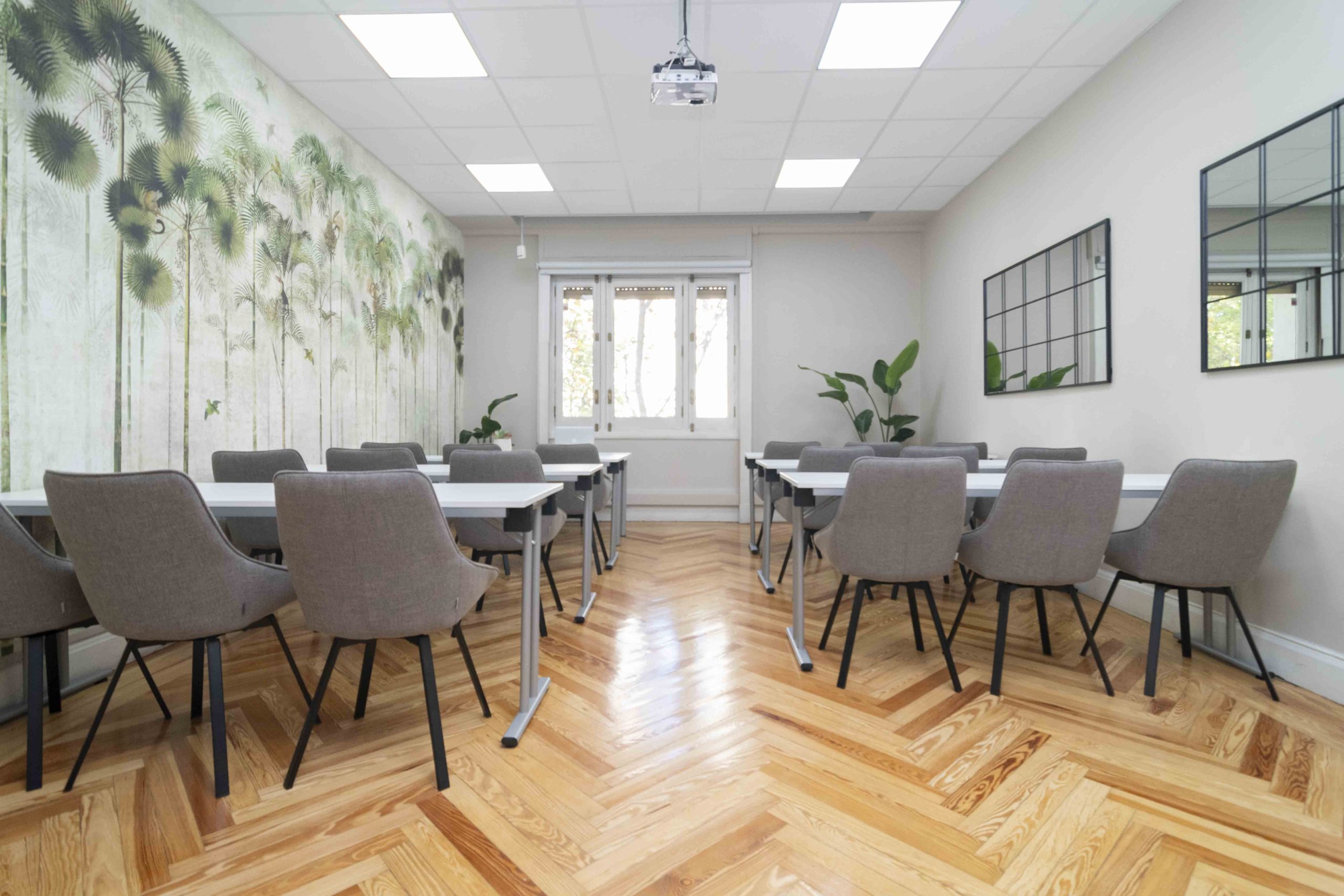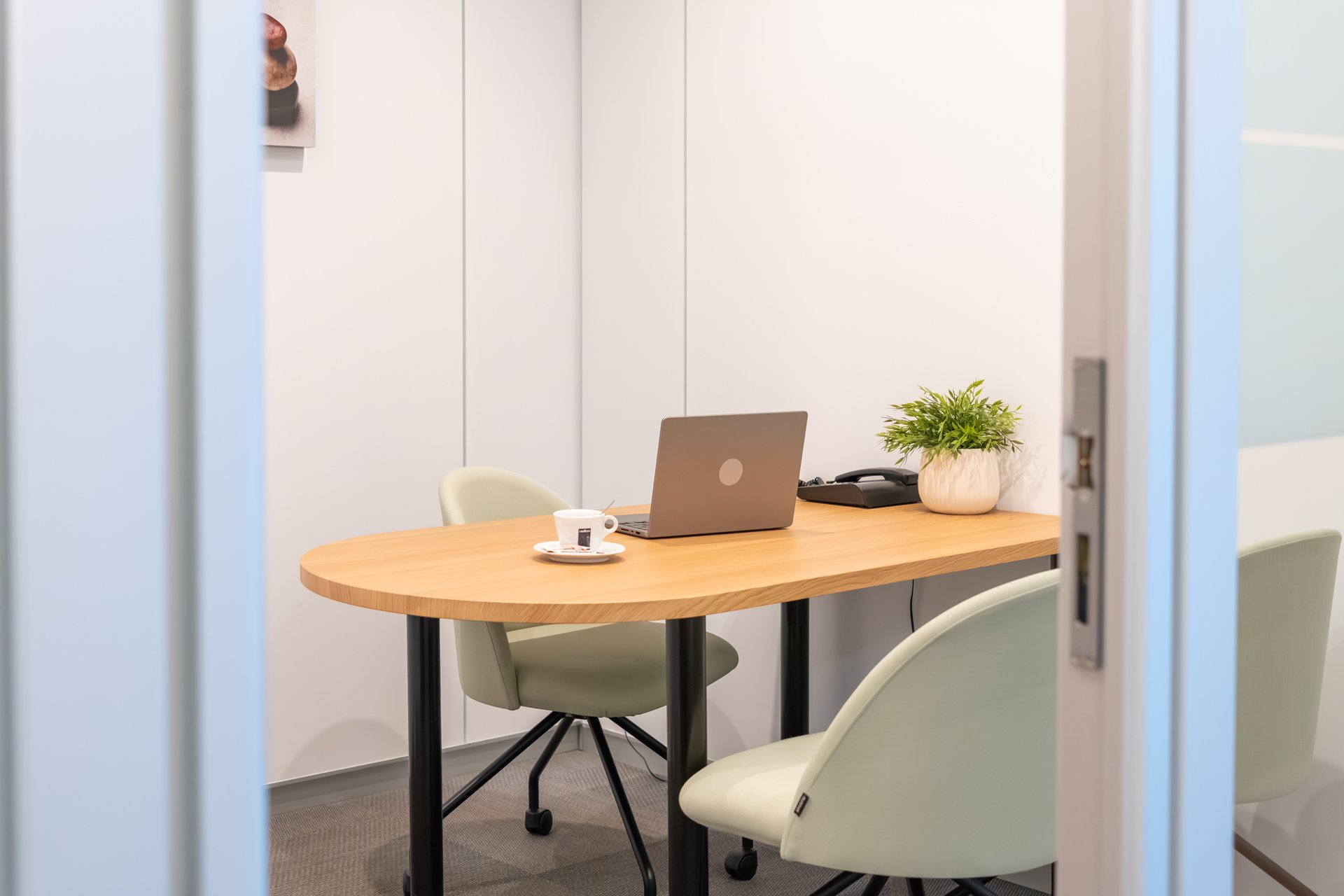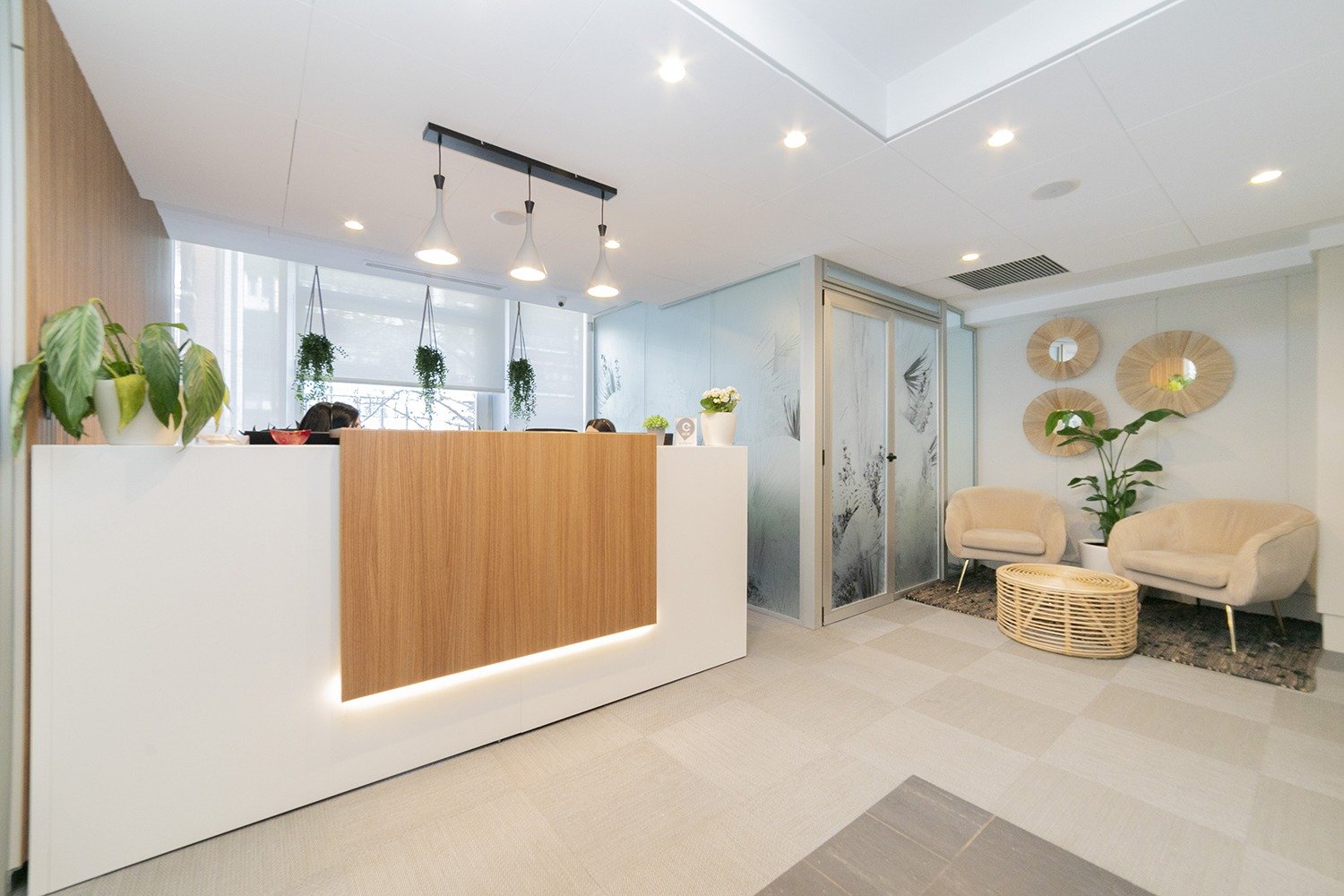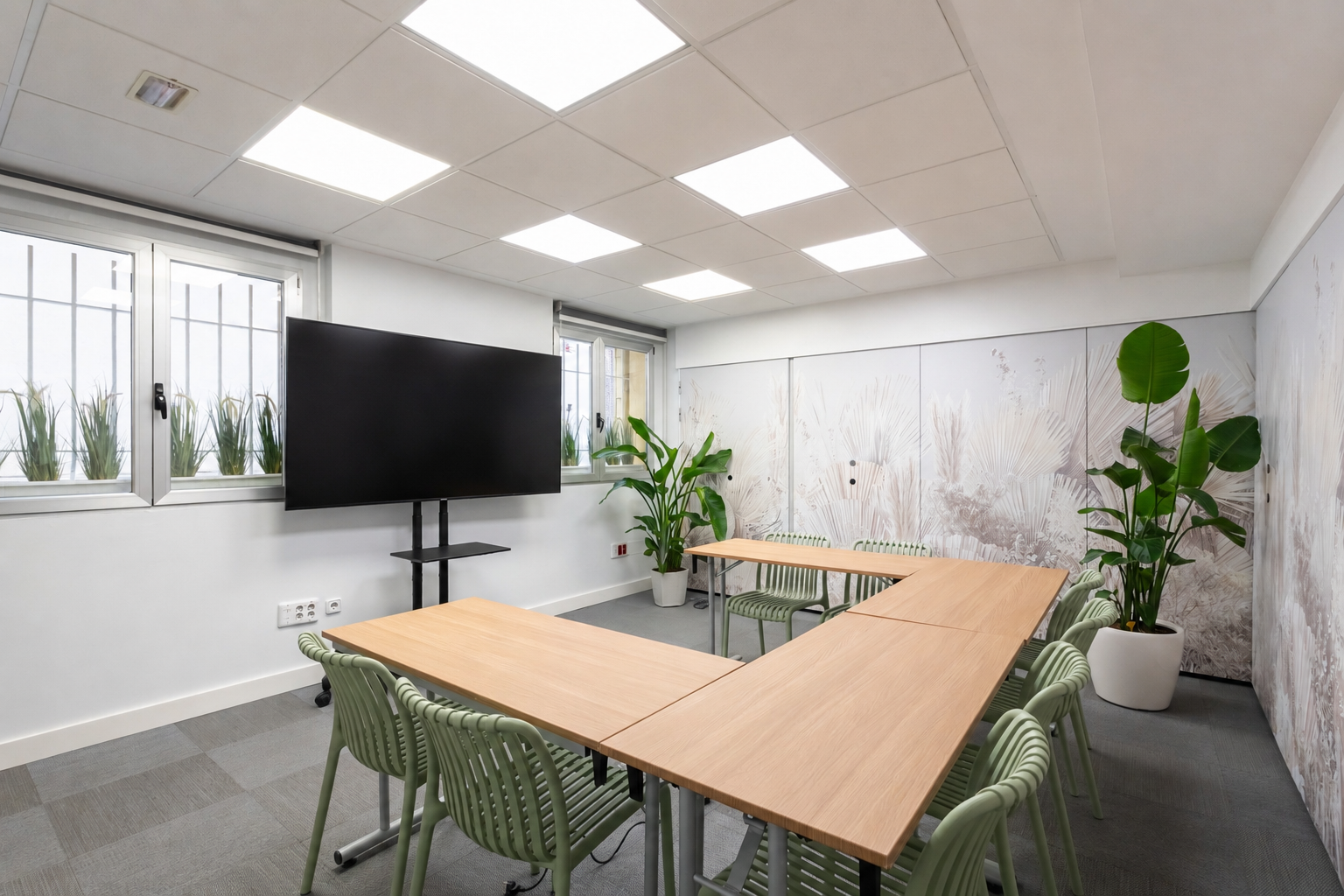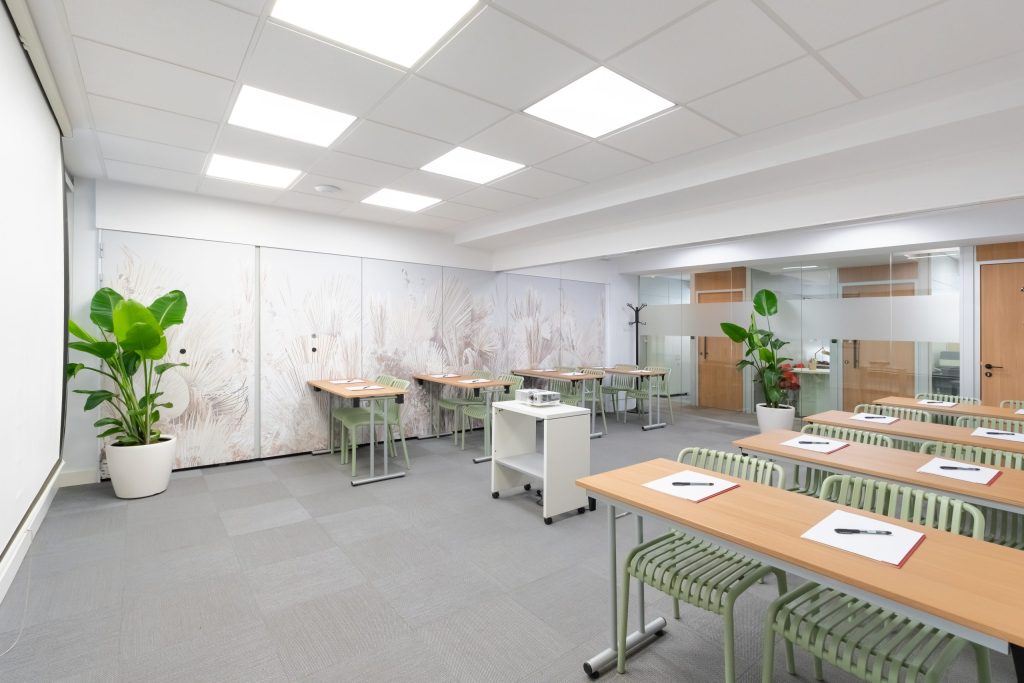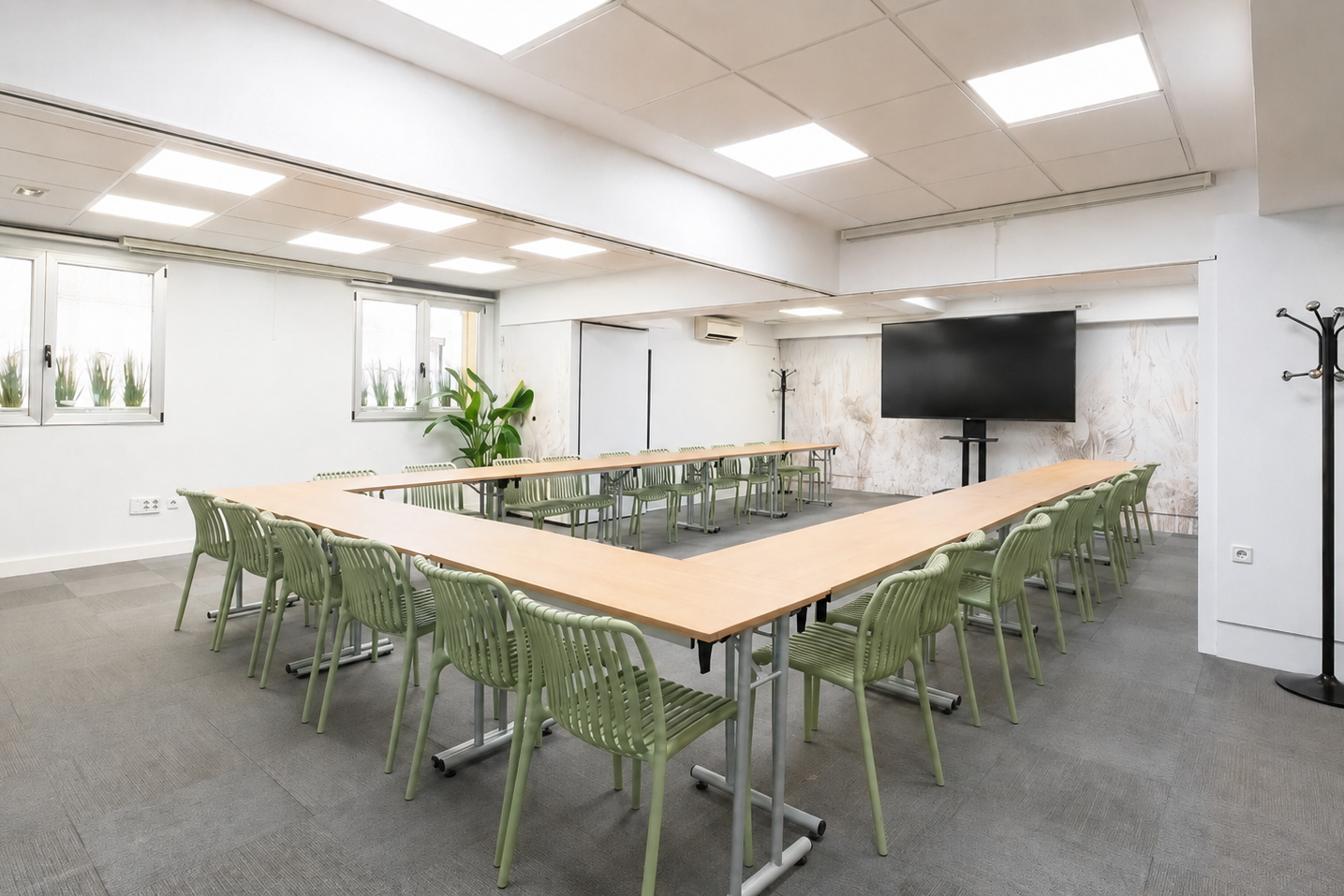
Choosing between a flexible workstation, a private office, or a virtual office depends on how your company operates today. Each option addresses different needs in terms of presence, privacy, and cost. Many companies combine services to gain flexibility, avoid rigid contracts, and adapt their space to hybrid work without sacrificing professionalism.
There comes a point where the question is no longer whether you need a workspace, but What type of space makes sense right now for your company?Not in three years. Now.
We see it often. Companies paying for an office that's barely used. Teams that work well remotely, but need to see each other more than they realize. Important meetings held in coffee shops because nobody wants to go back to a rigid office. It all works… but it takes effort.
If you are comparing flex position, private office u virtual officeYour company is probably right at that point of adjustment. You're not looking for something spectacular. You're looking for something that fits. Something that doesn't complicate things. Something that doesn't tie you down.
Let's take it one step at a time, calmly and without any fuss.
Before choosing, a key question
Don't start with space. Start with your reality.
Ask yourself this, plain and simple:
How many days does your team actually work away from home?
Do you need to meet in person every week or only occasionally?
Do you receive clients or collaborators?
Do you find it harder to pay more or to fall short?
Most wrong decisions come from responding to this with what "should be", not with what is.
Flex jobs: when flexibility rules
El Flexible workstation in a coworking space It's the lightest option. And, when used correctly, one of the most effective.
It works especially well if:
Your team works in a real, not forced, hybrid environment
Not everyone comes on the same days
Some players perform better away from home, but not always.
You want to offer a professional environment without requiring physical presence.
The flex position allows you Pay only when you use itThere are no empty tables all week. There's no sense of dead space. People come when they need to.
From the outside it might seem informal. From the inside, when well managed, it's usually the complete opposite: orderly, calm, and professional.
However, it does have limits.
Real advantages of the flex role
Controlled cost
Maximum flexibility
Ideal for small or distributed hybrid teams
Easy to expand or reduce
Drawbacks that should be taken into account
It's not a fixed point.
It's not suitable if you need constant privacy.
It may fall short if the team grows or meets frequently.
When it works, you can tell. When it doesn't, the company starts looking for something more stable.
Private office: a flexible structure
El private office It appears when the company needs a center of gravity.
Not a huge office. A hub.
It usually fits when:
You need privacy to work or meet
There are people who come regularly
You want a space that represents the company
The team needs more consistency.
A private office within a coworking space gives you something important: stability without the costs of a traditional officeYou don't manage supplies. You're not tied to long-term contracts. You don't pay for square meters you don't use.
But you still have somewhere to go. A clear place. A point of reference.
Many companies combine private offices with flexible workstations. The office as the main base. The workstations as support. It's a formula we see working very well when the team is growing or consolidating.
Real advantages of a private practice
Privacy and concentration
Clear professional image
Fixed point for the team
Less friction in everyday life
Drawbacks to consider
Less flexible than the flex position
Fixed cost slightly higher
It might be unnecessary if the team barely comes
It's not better or worse. It's different. And it depends a lot on the stage your company is at.
Virtual office: presence without physical space
La virtual office It often raises doubts. Sometimes it's perceived as something minor. In reality, when used correctly, it's a very concrete and very useful solution.
It's especially suitable if:
Your team works almost entirely remotely.
You don't need to come every day
But you do need professional management.
And a clear administrative foundation
The virtual office gives you tax and notification address, email management and presence in Madrid without renting a permanent physical space.
For many companies, it's the first step. They start with a virtual office and, when they need to see each other more, they add meeting rooms or flexible workstations. All without changing their physical location.
Real advantages of a virtual office
Very affordable cost
Professional image without a physical office
Ideal for remote or transitioning teams
Scalable with other services
Drawbacks that are worth accepting
It's not a daily workspace
It does not replace in-person meetings
It needs to be combined with other services
The virtual office is not an incomplete solution. It is a specific solution.
The most common mistake: choosing only one option
One of the most common mistakes we see is thinking that you have to choose just one thing.
Flexible workspace or office. Virtual office or workspace.
In practice, combinations work best.
Some real examples:
Coworking allows you to mix, adjust, and change over time. That's part of its value.
How to decide without making a mistake
If your company is starting to have doubts, these clues often help:
If almost no one comes, start light.
If there's always someone around, you need a base.
If you receive clients, take care of the space.
If the team changes quickly, avoid rigidity.
Don't make the decision thinking about what you'll be like in five years. Make it thinking about the next twelve months.
It's not a final decision.
This is important to say.
Choose a flexible workstation, private office, or virtual office It doesn't define you foreverIn fact, the companies that adapt best are those that accept that their way of working changes.
One thing today. Another tomorrow.
The sensible thing to do is choose a model that allows you to move smoothly. Without penalties. Without contracts that force you to endure a structure that no longer fits.
If you've gotten this far, you're probably not looking for the cheapest or the most eye-catching option. You're looking for the most logical one.
And that almost always begins with truly understanding how you work now. And choosing a space that reflects that reality, not an idealized version of it.
If you're comparing options and aren't sure what best suits your business right now, seeing it in person is a big help. You can visit our spaces and understand how to combine them. flexible workstations, private offices u virtual office according to your actual way of working. Tell us about your situation and we'll look at it together, without rushing.
FAQ's
1) Which option is better if my team only comes to Madrid a few days a month?
It usually fits better flex positionBecause you pay per use and don't maintain a fixed empty space. If you also need an administrative presence, you can combine it with virtual office and reserve meeting rooms when it's time to see you.
2) When does it make sense to move from flexible workstations to a private office?
When there's already a clear attendance pattern—for example, if someone on the team is always working in person, if you frequently need privacy, or if you want a designated space for internal meetings and focused work—the office provides structure without the rigidity of a traditional office.
3) Is a virtual office enough to appear professional to clients and suppliers?
Yes, if what you need is a tax and notification addressemail management and a base in Madrid. For client meetings, the most professional approach is to combine it with meeting rooms When needed, this way you maintain a presence without taking on a daily office.
4) Can these services be combined or do I have to choose only one?
They can be combined, and in fact, that's the most common practice. Many companies use virtual office as base, flexible workstations for specific days and rooms for meetings. Or a private office as a core team and flexible roles as support. The important thing is to adjust it to the actual pace of your company.