There's a phrase that's repeated in almost every corporate meeting or event planning session: "We want something simple, uncomplicated." And yet, what often ends up happening is that this "something simple" turns into an unproductive afternoon of work, a client who leaves without having truly connected, or a team that feels they've wasted their time.
The problem, in most cases, is the structure that was defined.
Corporate events that work—those that generate business, strengthen relationships, or leave a real impression—almost always have something in common: they are designed in two parts. Time to work and time to breathe. And when the space allows these two parts to happen naturally, without logistical interruptions, the outcome is completely different.
Corporate events in Madrid: the mistake of thinking of the event as a single block
For years, the standard format for a corporate event in Spain was as follows: you book a room, send out an agenda, people arrive, sit down, listen (or pretend to listen), and leave. If the meeting was important, there might be catering at the end, which people used as an excuse to escape as quickly as possible.
That model hasn't disappeared. But more and more companies in Madrid are discovering that there's an alternative that doesn't require more work or complexity: thinking about the event in two parts.
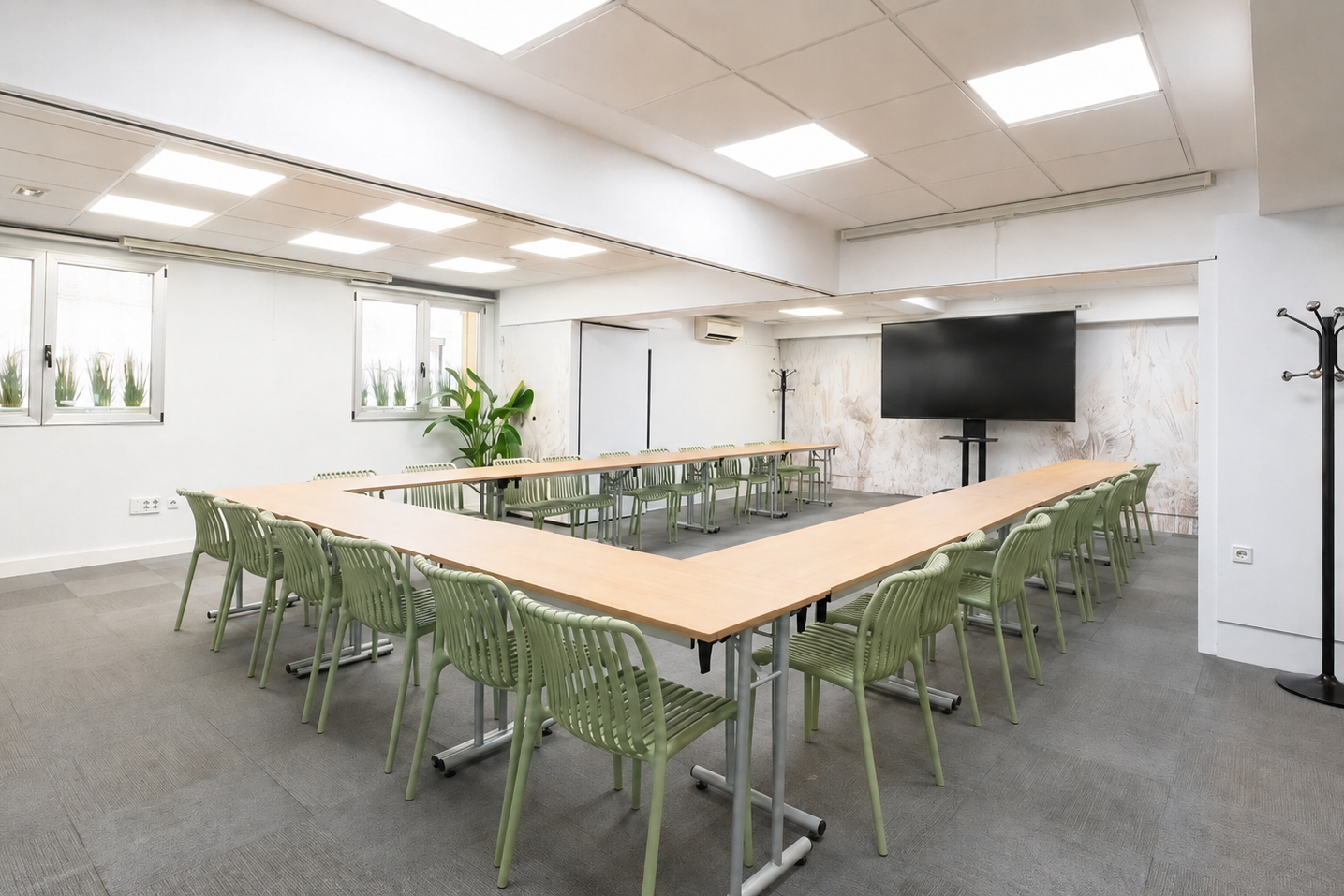
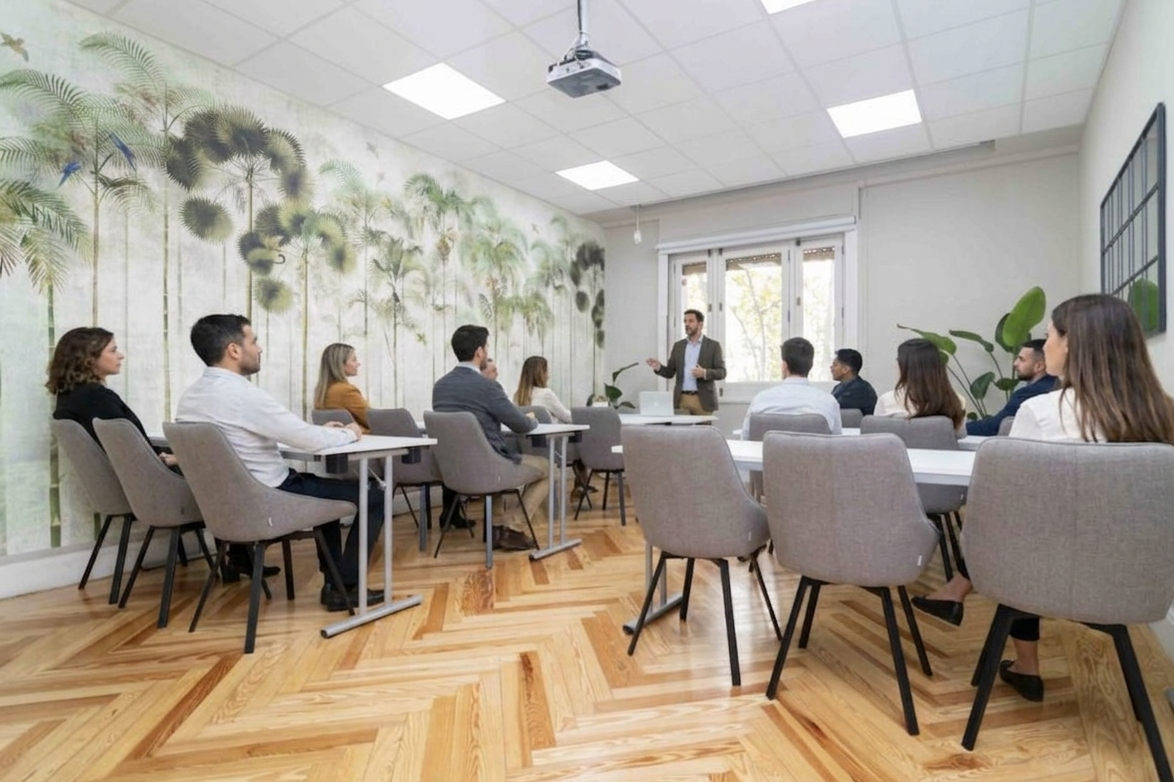
The first session has a clear purpose: to work, present, make decisions, align the team, or build something together. It requires concentration, a well-equipped room, reliable technical conditions, and enough silence for people to think.
The second block has a different function: to help people connect. And for this, often, team-building activities aren't necessary; simply changing the context, moving to a different space that helps foster connections and conversations, is enough.
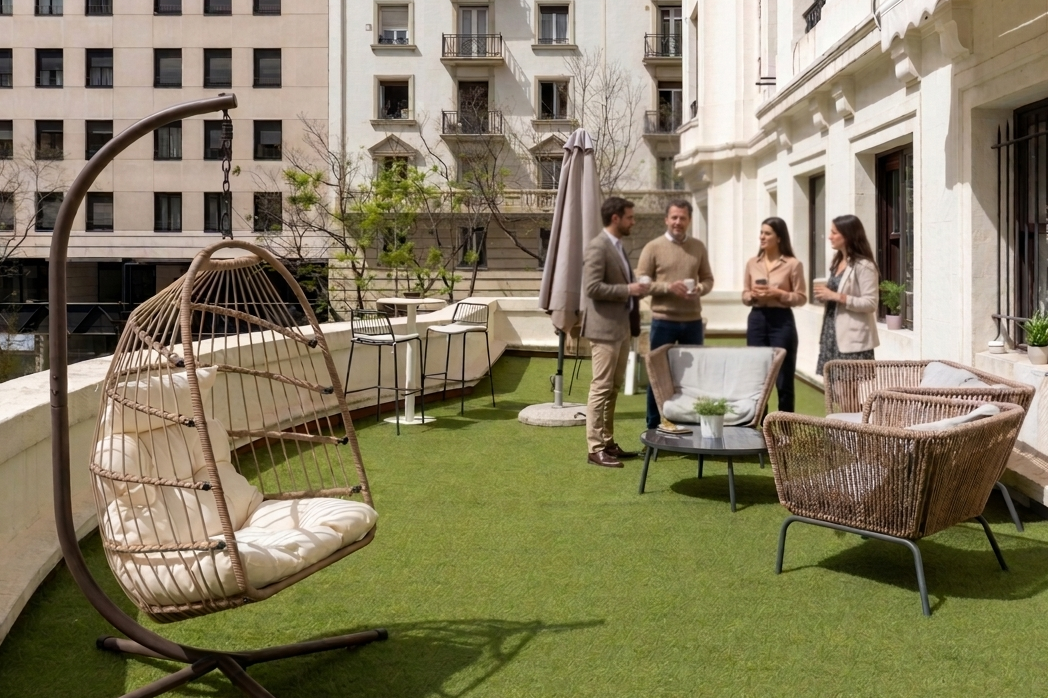
A terrace, when it's an option and the weather is nice, is the perfect setting for that second act. It instantly shifts the tone. In this kind of space, what is usually a business meeting becomes something more human.
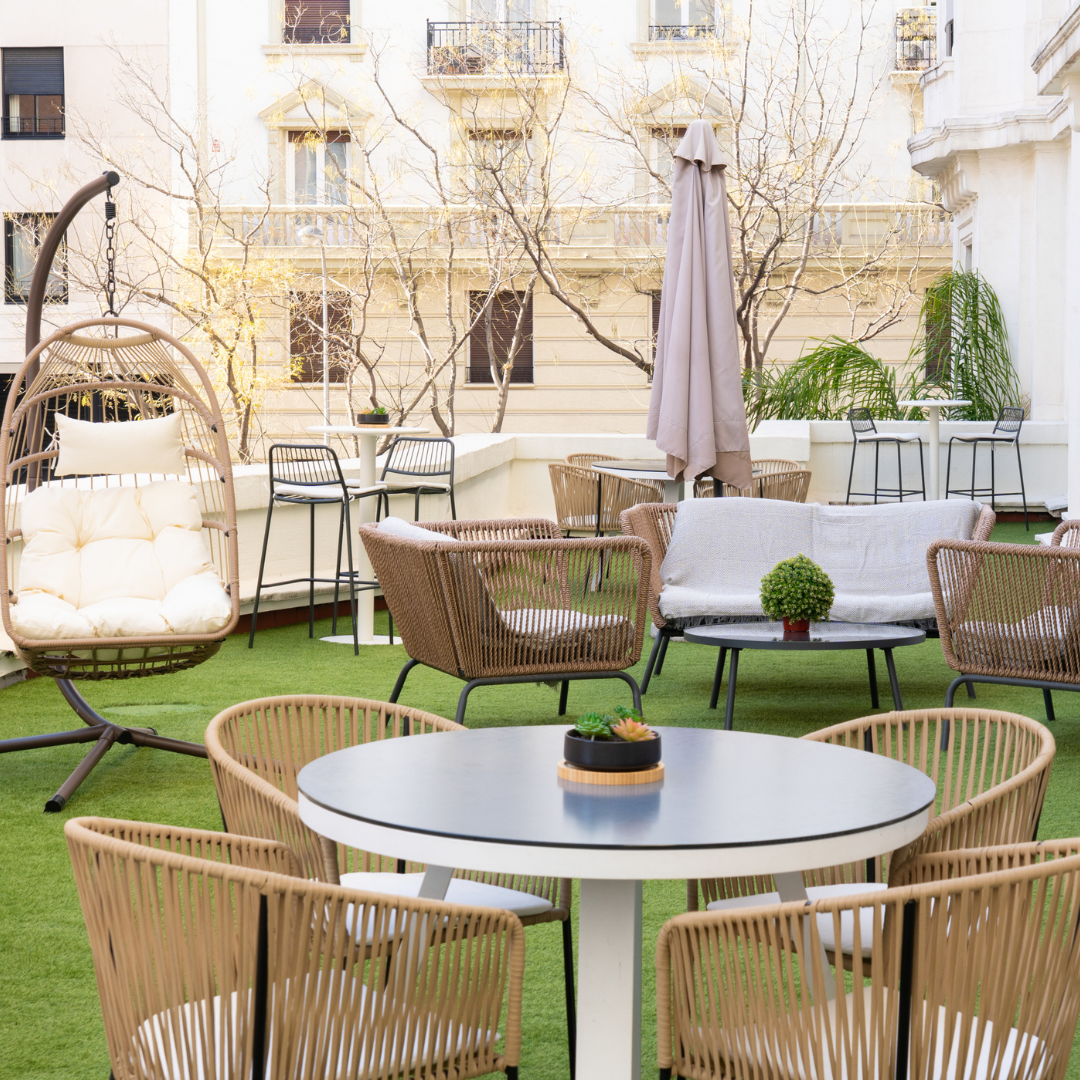
Business breakfasts in Madrid for meetings and corporate events
The working breakfast remains one of the least used corporate event formats by companies in Spain.
However, a well-organized breakfast focuses people during their peak cognitive energy time (the morning), doesn't take away from their afternoon time, and also has a significantly low catering cost.
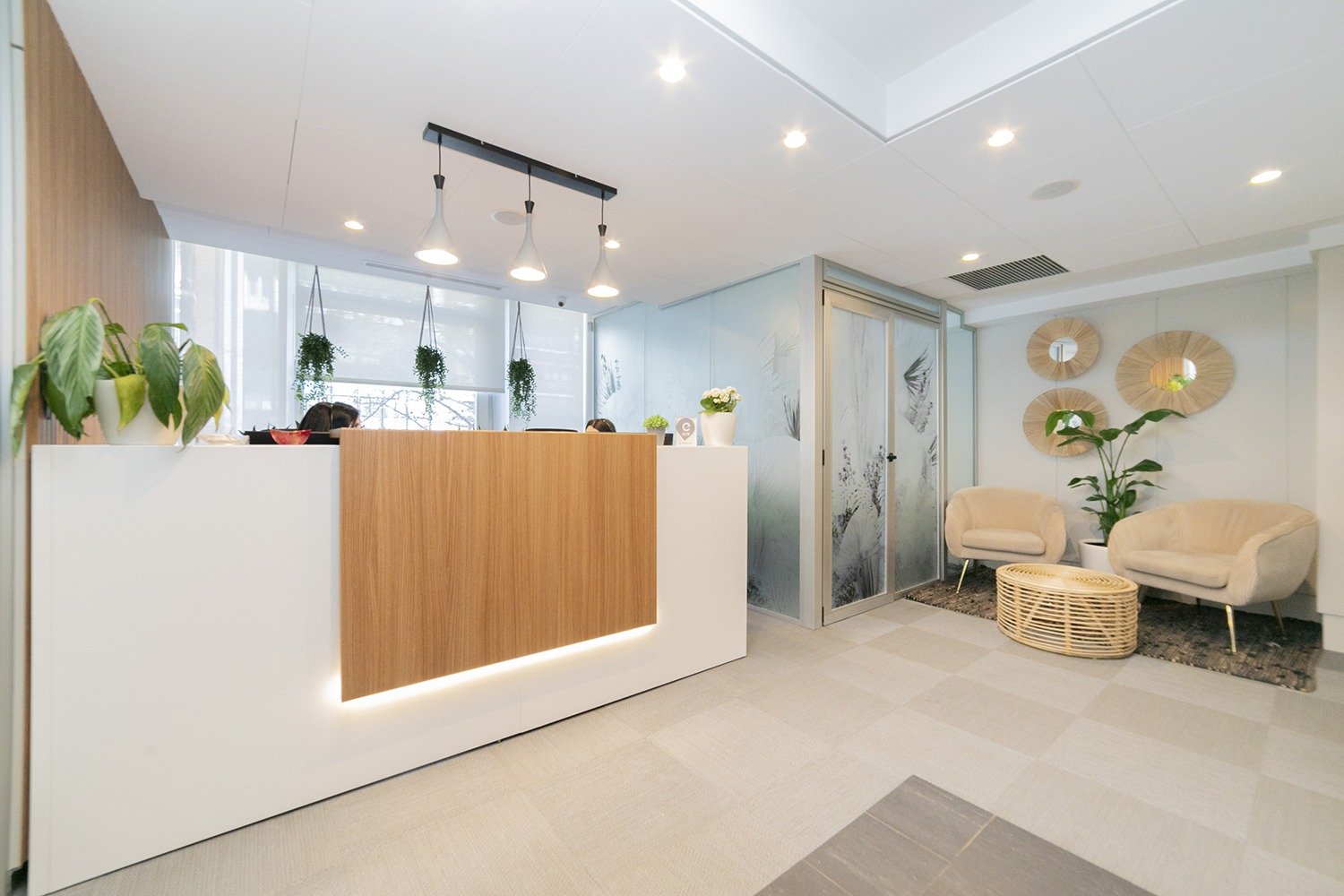
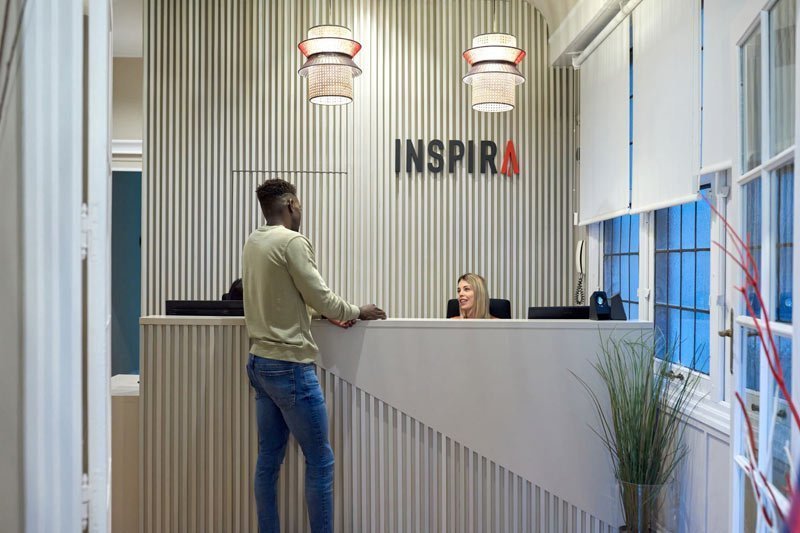
En Inspira Workspaces We know that breakfast is a great ally in meetings and corporate events, that's why in our meeting rooms in Madrid we offer catering options designed to accompany work meetings in a practical and natural way.
A format that yields excellent results for half-day meetings is: a working meeting of one and a half to two hours, followed by a forty-five-minute breakfast on the terrace (or in a designated area) before resuming the session. The meeting room allows for concentration and structure; the subsequent breakfast fosters informal conversations that later develop into agreements, collaborations, or simply allow people to get to know each other beyond their roles in the company.
For full days, it works very well: a light welcome breakfast in the meeting room and lunch on the terrace to get a change of scenery and return with more energy.
The key is to have a space prepared so that the meeting and catering work in an integrated way, without interruptions or additional management for the team.
How does integrated catering improve a corporate event?
In the organization of corporate events there is something obvious, although sometimes overlooked: the catering is what is most remembered.
It's not so much the PowerPoint presentation or the keynote that people remember, but rather the overall experience of the event, especially the meal. However, it's one of the elements most often considered an afterthought, a minor budget item.
The catering for a corporate event doesn't need to be elaborate, it just needs to be consistent. Consistent with the time of day, the duration of the event, the profile of the attendees, and the message the company wants to convey. A breakfast at a terrace in Chamberí, For example, it conveys something very different from a meeting without breaks in a closed room.
When catering is integrated into the event space—when there's no need to coordinate external suppliers or depend on tight deadlines—the experience improves significantly. Venues that include it as part of their service aren't necessarily more expensive, but they are easier to manage and generally deliver better results.
If you're booking a meeting room with catering, there's one aspect that deserves special attention: dietary restrictions. In any group of more than fifteen people, there's usually someone vegetarian, someone with gluten or lactose intolerance, or someone who doesn't drink alcohol. That's why it's important to ask the staff and inform the venue in advance. It's not a minor detail: it's a way of showing that people matter as much as logistics, and that also improves the quality of the event.
A company that invites its clients to a well-maintained, well-located space, with a functional meeting room and a terrace for informal socializing, is communicating without needing to explain that it pays attention to detail, plans thoughtfully, and values the time of the people it works with.
Madrid is increasingly offering options beyond the usual convention hotel circuit. These are spaces with their own unique character, well-equipped technically, with outdoor areas such as terraces, and located in easily accessible areas for attendees arriving from different parts of the city or even from outside Madrid.
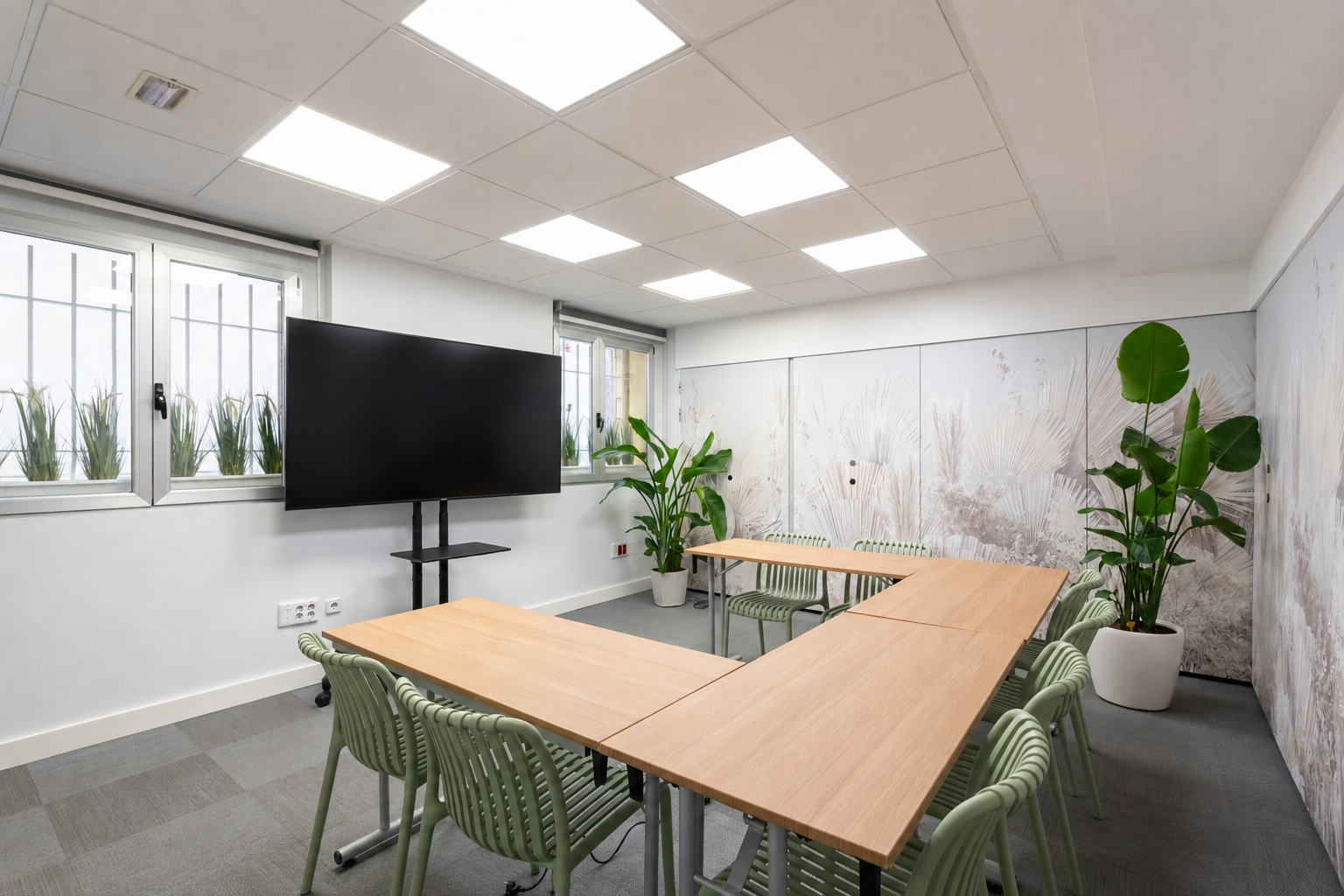
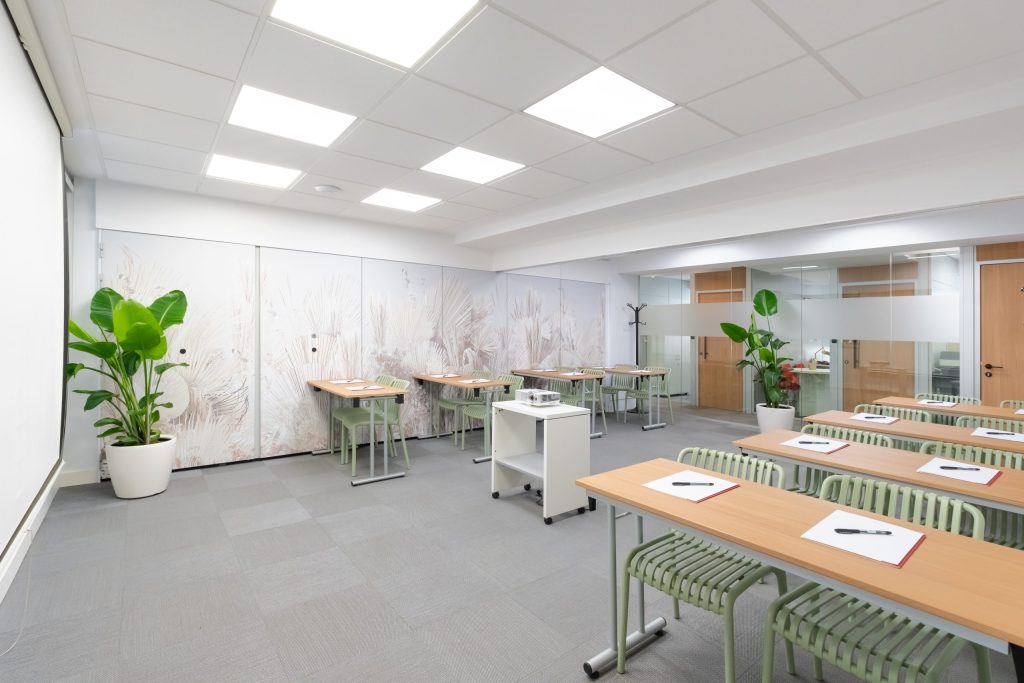
When choosing a venue for a client event, it's important to consider these key aspects of the space: the capacity of the rooms, the Technical equipment, administrative support and the ease of access for attendeesFrom there, everything else—the experience, the catering, and the development of the event—rests on a solid foundation.
Corporate events: the space as part of the message
When the event isn't internal, but rather for clients or potential clients, everything mentioned above becomes even more important. In this case, the space isn't just the context of the event: it's part of the message the company is conveying.There's a phrase that's repeated in almost every corporate meeting or event planning session: "We want something simple, uncomplicated." And yet, what often ends up happening is that this "something simple" turns into an unproductive afternoon of work, a client who leaves without having truly connected, or a team that feels they've wasted their time.
The problem, in most cases, is the structure that was defined.
Corporate events that work—those that generate business, strengthen relationships, or leave a real impression—almost always have something in common: they are designed in two parts. Time to work and time to breathe. And when the space allows these two parts to happen naturally, without logistical interruptions, the outcome is completely different.
Three questions that will change how you think about your next event
Before discussing budget, dates, or catering, there are three questions worth answering:
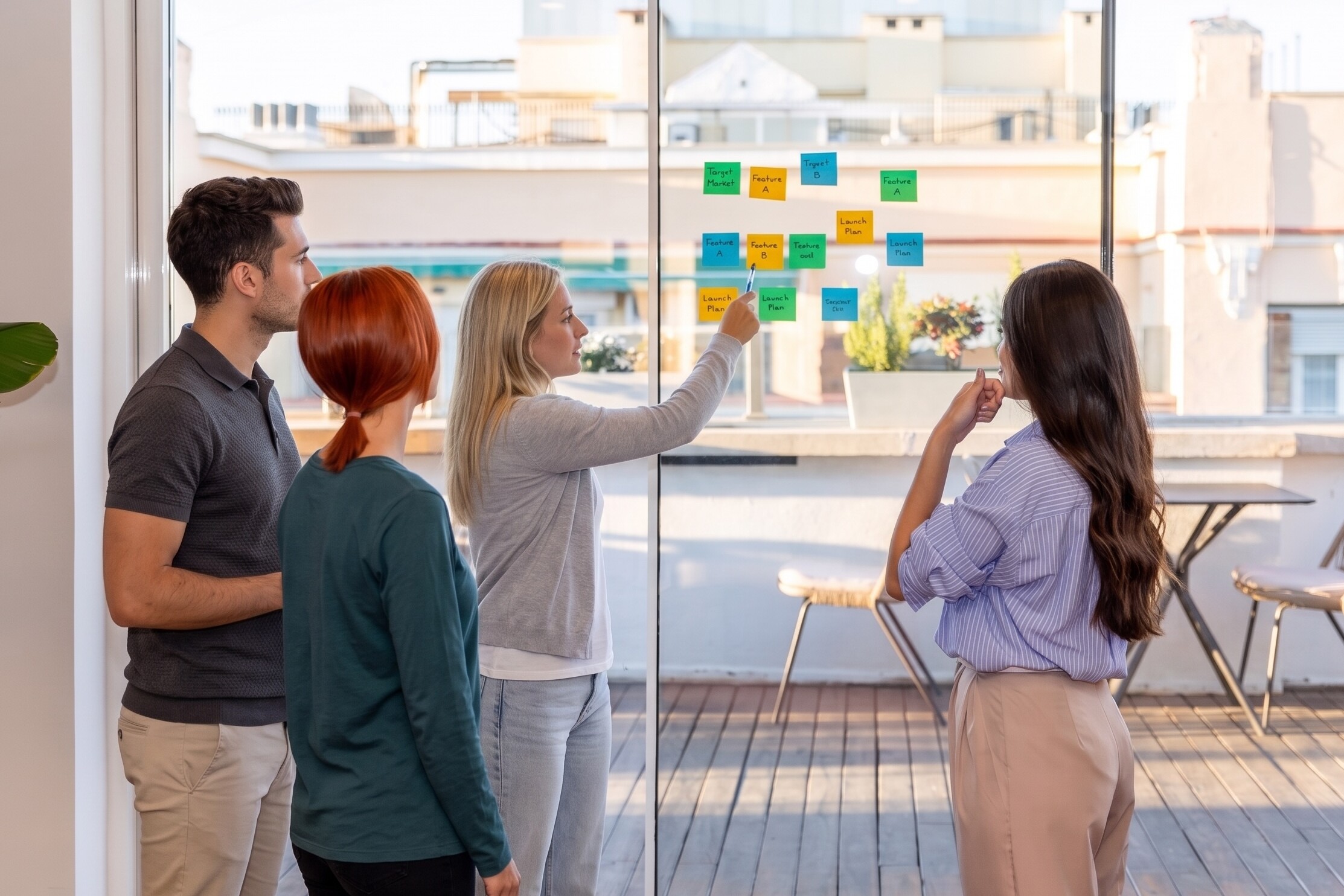
- What do I want to happen in the room? It's not about "what we're going to present," but rather what specific outcome you expect from the work itself. A decision made, a team aligned, a convinced client. The answer to this question defines the format, the time required, and the space's requirements.
- What do I want to happen outside the room? If the answer is "to get people to connect," you need to plan the second act with the same care as the first. The space, the catering, the time available.
- How do I want people to feel when they leave? Tired but satisfied is a good result. Even better if they feel their time was well spent. And if they leave looking forward to the next event, you've done something right.
The answers to those three questions are the compass for everything else: the venue, the capacity, the format, the catering, the duration. The event that works isn't the one with the most elements, but the one with the right elements in the right order.
And that, in Madrid, is easier to achieve than it seems.
At Inspira Workspaces Madrid, the spaces are designed so that your event works from the very first moment.
Come and visit our locations with terraces:
- Atocha inspiresPaseo de las Delicias 30, a 7-minute walk from the iconic Atocha station
- Abascal inspiresJosé de Abascal 44. In Chamberí, an iconic neighborhood.
Book your meeting room with terrace
Availability inquiry and come visit us.
FAQ's
What should a good space for corporate events with clients in Madrid have?
A good venue for corporate events with clients should have functional meeting rooms, a good location in Madrid, adequate technical equipment, and areas that facilitate informal interaction, such as terraces or lounges. It's also key that the venue offers logistical convenience for attendees and support in organizing the event.
Why is it important to choose the right venue for a client event?
The venue is not just where the event is held, but also part of the company's message. A well-designed and carefully curated environment conveys professionalism, attention to detail, and reinforces brand perception among current and potential clients.
What are the advantages of meeting rooms with a terrace in Madrid?
Meeting rooms with terraces in Madrid allow you to combine work and networking in the same space. The terrace facilitates informal moments, enhances the attendee experience, and helps generate more natural conversations after the more structured part of the event.
How important is catering at a corporate event with clients?
Catering is a key element in the event experience. Beyond the food itself, it influences the overall perception of the gathering. Catering that aligns with the event format and the attendees' profile enhances the experience, facilitates interaction, and adds value to the meeting.
What criteria should be taken into account when choosing a meeting room in Madrid?
The main criteria are the actual capacity of the space, the available technical equipment, the location and accessibility for attendees, and additional services such as catering or event organization support. These factors largely determine the quality of the experience.
How to improve the experience at a corporate event with clients?
To enhance the experience, it's important to define what you want to achieve in the room, what kind of interaction you're looking for outside of it, and how attendees should feel at the end of the event. Based on these answers, the space, format, and catering are designed in a coherent way.